

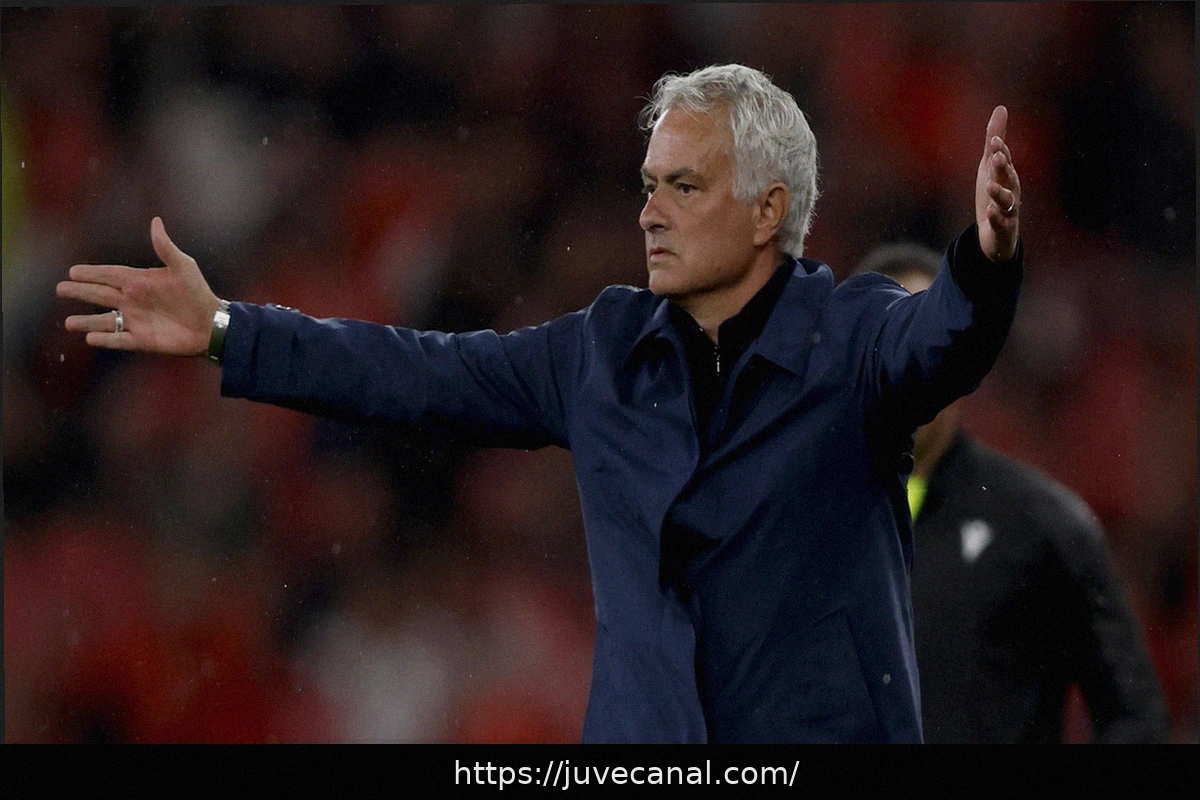
With Álvaro Arbeloa’s departure, nothing seems to stand in the way of José Mourinho’s return to the Real Madrid dugout. Does ‘The Special One’ still possess the magic to lead the chaotic Blancos back to European supremacy, or is this Portuguese homecoming merely President Florentino Pérez’s desperate yearning for more successful times?
Just days ago, Benfica’s president Rui Costa desperately tried to quell speculation surrounding his coach’s future. «José Mourinho is Benfica’s coach — unless proven otherwise,» the club chief stated in a TV interview, well aware that the final decision rested not with him or the club, but solely with his coach.
And this decision, whispered for weeks, is overwhelmingly likely to be against staying at Benfica and in favor of a move to Real Madrid. Mourinho’s contract with the Lisbon club, originally valid until June 2027, includes a clause that allows ‘The Special One’ to exit his existing agreement and join another club. While recent media reports have caused confusion regarding the buyout clause amount – with suggestions that Real even missed a deadline, now making it €14 million – the existence of such a clause and Real’s ability to afford it if they are serious about Mourinho is widely assumed.
The Royals, and particularly their president Florentino Pérez, apparently intend to exercise this option and entrust Mourinho with the role of head coach of the Blancos once again, following a completely chaotic season.
Mourinho and Real? It’s happened before. The 63-year-old Portuguese manager was in charge of the Madridistas between 2010 and 2013, a period many still recall primarily for the numerous controversies ‘The Special One’ generated. Foremost among these was the clash with then-sporting director Jorge Valdano, which escalated to such an extent that the Real hierarchy eventually felt compelled to part ways with the 1986 World Cup winner and grant Mourinho more power in sports policy decisions.
Despite this, and it’s often overlooked given the Portuguese’s undeniably controversial personality, Mourinho’s years at the helm of the Royals were remarkably successful on a purely sporting level.
When he arrived in Madrid in the summer of 2010, fresh off winning the Champions League with Inter Milan, the club was in a precarious position. They had narrowly lost the league to Pep Guardiola’s formidable Barcelona and had been eliminated in the Round of 16 of their «favorite competition,» the Champions League, for the sixth consecutive time. Mourinho’s two primary objectives were thus clear: finally win ‘La Décima,’ Real’s tenth Champions League title, and, by extension, dethrone one of the greatest teams ever assembled.
The initial phase of this project did not go smoothly. Just four months into his tenure, they suffered a humiliating 0-5 defeat against FC Barcelona in El Clásico. Voices questioning Mourinho’s ability to successfully coach a top-tier team like Real Madrid emerged even at this early stage. In his first year under the Portuguese, they were again narrowly beaten by Barça in the league, and the Champions League campaign ended against their hated Catalan rivals, albeit this time in the semi-finals.
Mourinho Once Initiated a Power Shift in Spanish Football
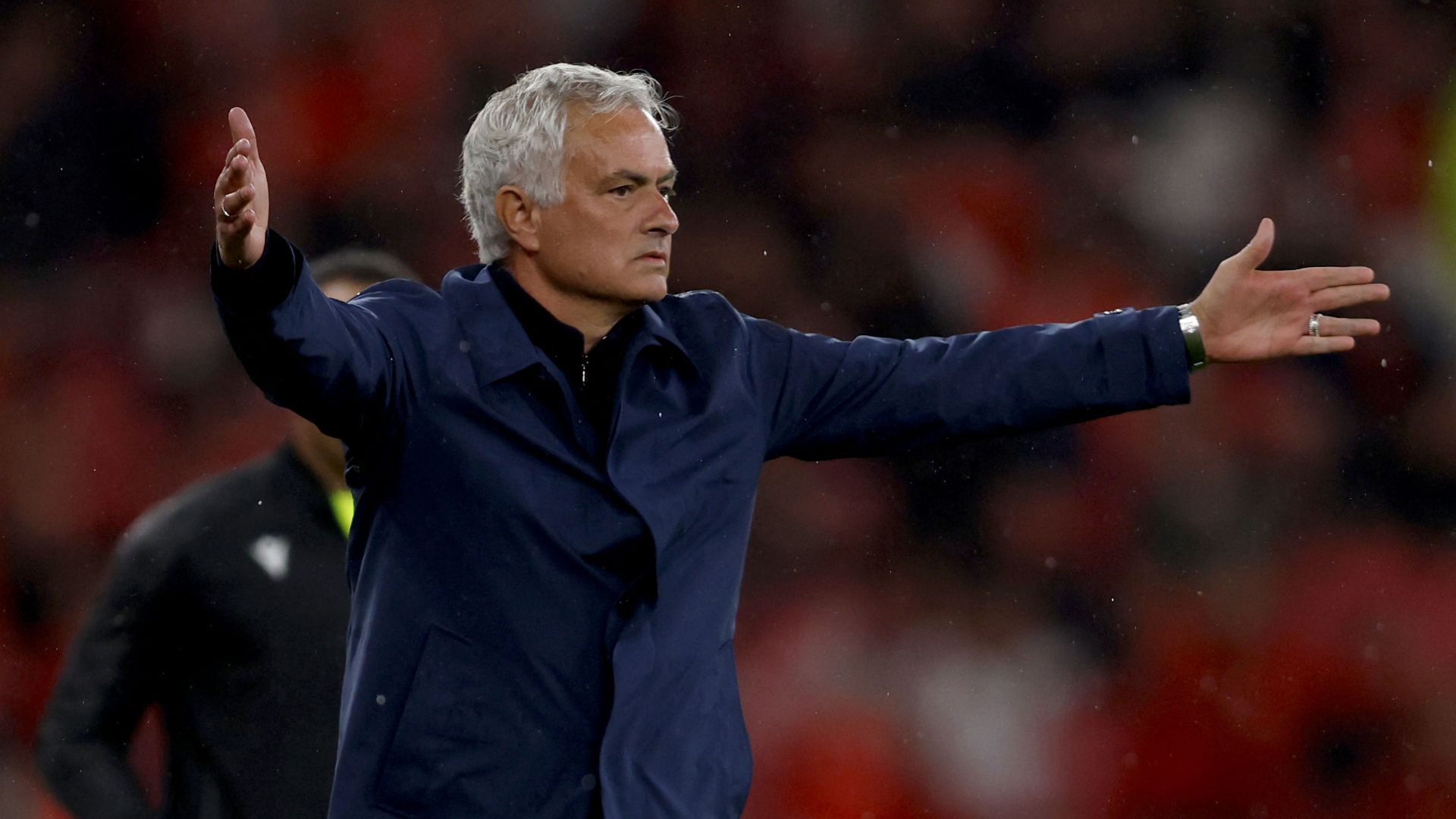
As time progressed, Real’s superstars increasingly internalized ‘The Special One’s’ vision of football. In April 2012, they exacted revenge on Pep’s Barcelona, a victory that simultaneously signaled a shift in power in Spanish football throughout the 2010s. In La Liga, the Madridistas surpassed the proud milestone of 100 points in 38 league matches, boasting an extraordinary goal difference of 121:32, and were crowned Spanish champions by a significant margin. Mourinho’s defensive-minded, «fortress» mentality, which he instilled in the Madridistas, became legendary.
However, Mourinho’s ultimate triumph in the Champions League remained elusive. In 2012, they were eliminated in the semi-finals by FC Bayern Munich in a penalty shootout. The following year, a 2-0 second-leg victory against Borussia Dortmund was insufficient to overturn a 1-4 first-leg deficit. Nevertheless, during his three seasons with the Blancos, Mourinho laid the groundwork for the incredibly successful years that followed under Zinedine Zidane and Carlo Ancelotti.
Players such as Sergio Ramos, Raphaël Varane, Pepe, Marcelo, Luka Modrić, Cristiano Ronaldo, and Karim Benzema formed the bedrock of a Real Madrid squad that would go on to win four Champions League titles, four Club World Cups, three UEFA Super Cups, one Spanish league title, and one Spanish Cup between 2013 and 2018. These accolades were not simply handed to the Madridistas; they were also a testament to Mourinho’s diligent work during his three years at the club.
Xabi Alonso and Álvaro Arbeloa Failed at Real Madrid
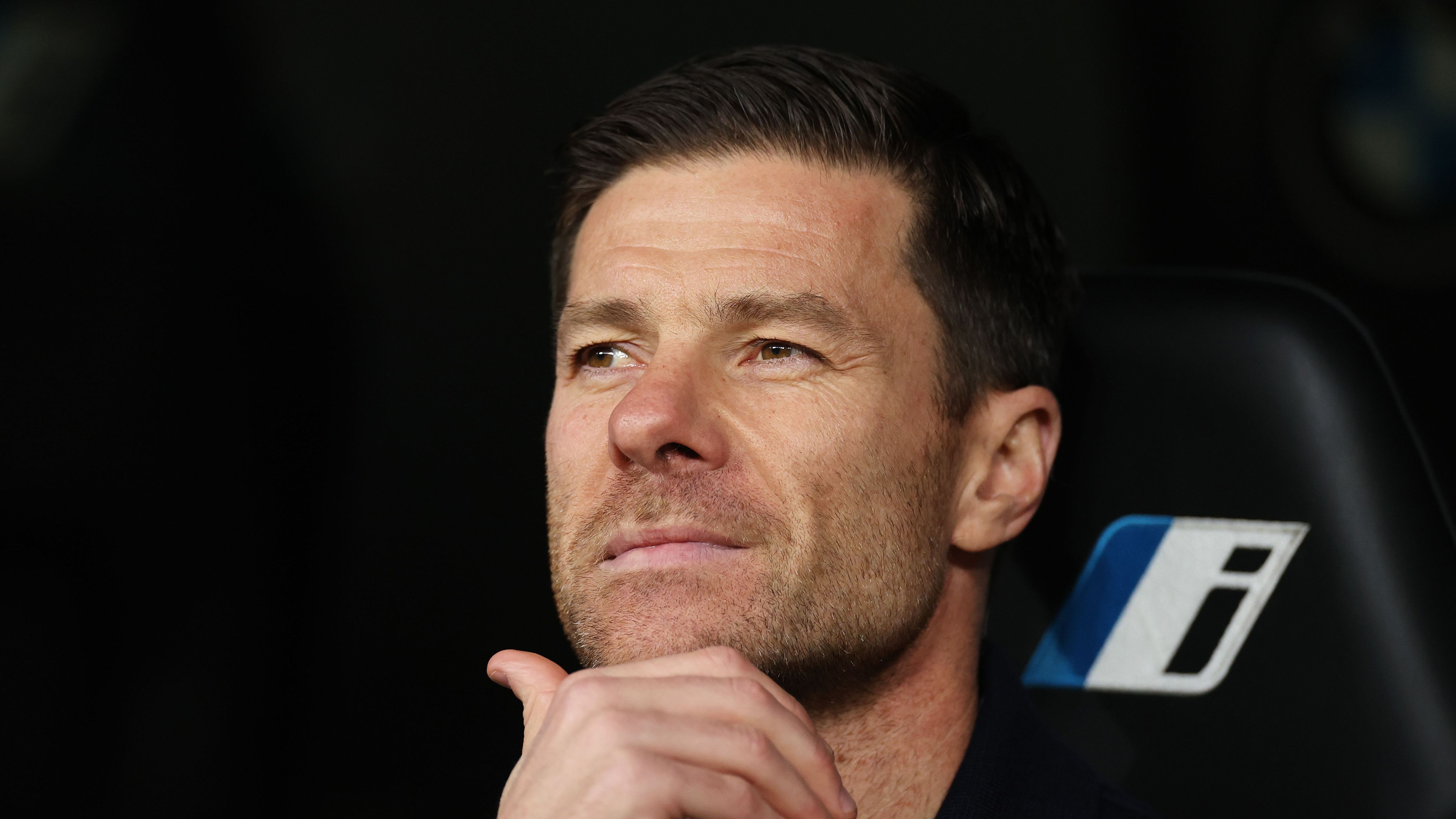
The question of whether a similar trajectory is hoped for with the Portuguese manager’s return to the Estadio Santiago Bernabéu can likely only be answered by President Pérez himself. However, a closer look at the current circumstances suggests that Mourinho would face significantly greater challenges in a second tenure at Real than he did just over 15 years ago.
After two consecutive seasons without a single title, nerves in Spain’s capital are completely frayed. The dressing room is divided into several factions, and disciplinary issues involving some stars are also on the agenda, culminating in the unfortunate incident between Aurélien Tchouaméni and Federico Valverde a few weeks ago.
This was keenly felt by Xabi Alonso, who was brought in as a beacon of hope but was dismissed after only a few months, and his immediate successor, Álvaro Arbeloa. Neither could gain control of the rebellious dressing room. Top stars like Kylian Mbappé, Vinícius Júnior, and Jude Bellingham often acted purely out of self-interest, completely disregarding the collective well-being of the team. Both Alonso and Arbeloa gradually lost the support of the team and, consequently, their jobs. Whether Mourinho can achieve a turnaround in this regard remains questionable.
Does José Mourinho Still Fit Real Madrid?
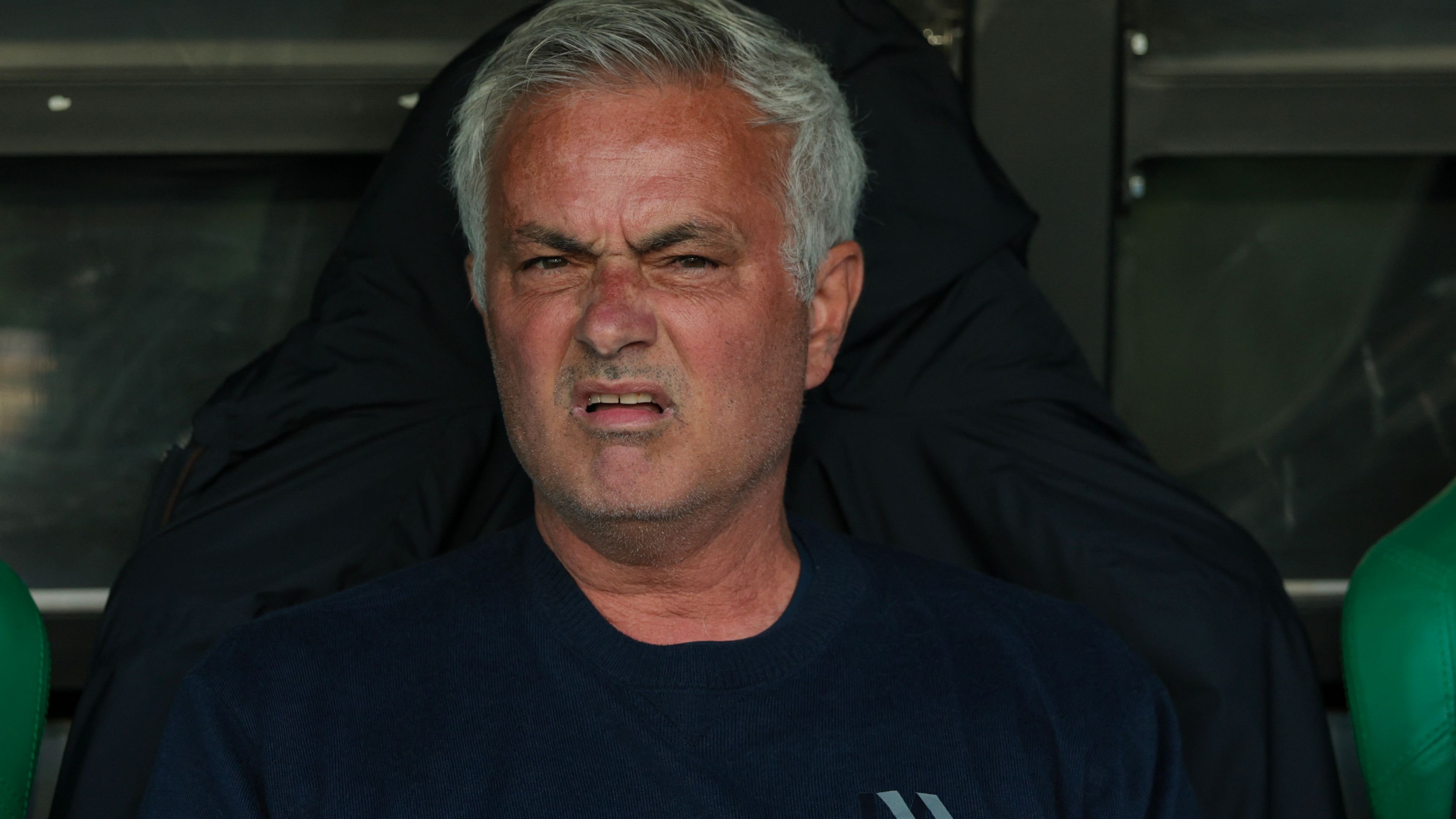
After all, the 63-year-old is not exactly known for being a cool and calm mediator; rather, he often appears as a hothead who tends to escalate situations rather than defuse them. The danger that Real Madrid’s management would be pouring more fuel on an already raging fire by signing Mourinho and contributing to a complete escalation is extremely high.
At the same time, one cannot shake off the feeling of desperation emanating from the Real hierarchy. While other top European teams like Bayern with Vincent Kompany, Paris Saint-Germain with Luis Enrique, or Barça with Hansi Flick are celebrating spectacular attacking football and sometimes even appear to be reinventing the game, it seems the Royals, after the Xabi Alonso fiasco, have lost the courage to make progressive decisions.
Following the motto: «Better something tried and tested than another upheaval.» The reorientation of the playing style under Alonso, so urgently desired by Pérez, is all but impossible with a Mourinho takeover. Aggressive pressing with high possession, dominance, and attractive football? ‘The Special One’ is not known for that. Pragmatism defines the Portuguese manager’s footballing worldview: pragmatic football from a compact defense, and only then is the offense considered. And Mourinho hasn’t won anything significant for a while now, aside from the Conference League with AS Roma in 2022 (a year later, he lost the Europa League final with Roma on penalties against Sevilla).
José Mourinho Could Bring Rebellious Stars into Line
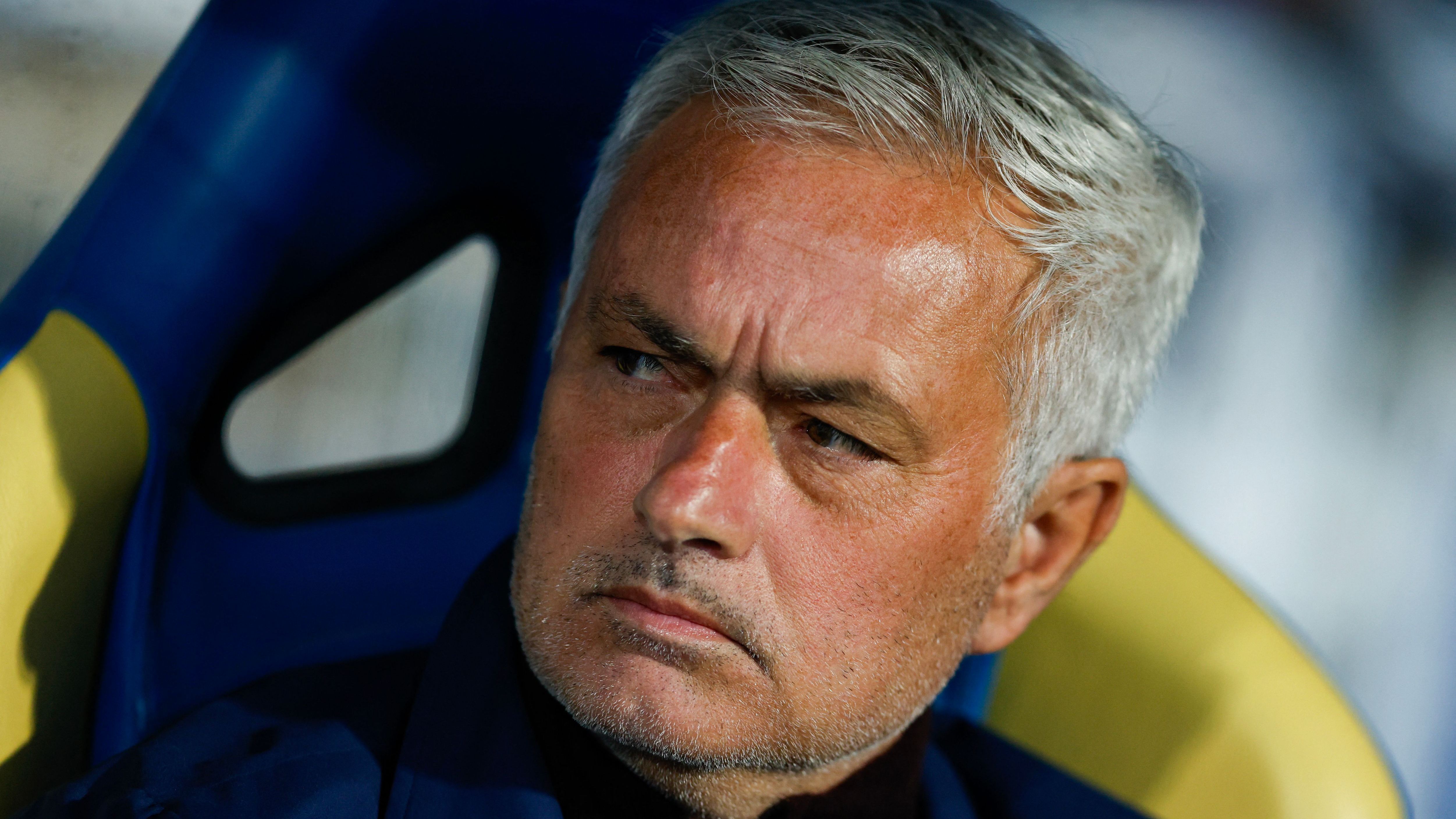
Nevertheless, there is also the scenario where Mourinho’s return could prove to be a stroke of genius. Unlike his predecessors, the Portuguese manager certainly wouldn’t be intimidated by superstars and big egos. Looking back at his long career, ‘The Special One’ has never shied away from big names, nor has he hesitated to bench or even omit them from the squad.
If he is granted the necessary freedom and privileges to act decisively when needed, Mourinho will likely bring more discipline to the dressing room and bring the stars back into line. Whether his players will support him, follow his path, and ultimately ensure sporting success – upon which the entire project hinges – remains to be seen.