Rummenigge Reportedly Withheld Vote on Eberl Extension, Possibly Due to Hoeneß Conflict
Karl-Heinz Rummenigge reportedly abstained during the decisive vote on Max Eberl's contract extension at FC Bayern. This decision may stem from more than just professional assessments.
For nearly three decades, Uli Hoeneß and Karl-Heinz Rummenigge were the primary driving forces behind FC Bayern Munich. From the early 1990s, nothing significant happened at the club without the involvement of Hoeneß, who served as manager, president, and supervisory board chairman, and Rummenigge, who held roles as vice-president and later CEO.
Bayern's ascent to become one of the world's leading and most successful clubs was inseparable from these two former players. Throughout their extensive shared history, which began when they first played together in 1974, they mutually influenced each other. This dynamic often involved sharp disagreements and internal disputes, followed by reconciliations, contributing to the club's distinct "Mia san Mia" identity, often characterized by Bavarian dispute culture.
Now, it appears they held divergent views on a critical future decision for Bayern, with a notable difference in their voting during a supervisory board election.
Rummenigge's Stance on Eberl's FCB Contract: What's Behind It?
According to Sport1, Rummenigge abstained from voting during a supervisory board meeting where Max Eberl's contract extension as chief of sport was decided after considerable deliberation last season. This means Rummenigge withheld his vote for Eberl.
Typically, crucial personnel votes for executive board members are unanimous after usual, and sometimes lengthy and passionate, discussions.
However, while other members of the supervisory board, led by Hoeneß and President Herbert Hainer, approved Eberl's new contract until 2029, the long-serving CEO apparently signaled significant skepticism. If the report is accurate, this abstention could be interpreted as a clear message to the record champion's sporting leadership and a critique of the decision-making process.
Regardless, following coach Vincent Kompany, CEO Jan-Christian Dreesen, and Eberl, the club also extended the contracts of all main sporting directors through 2029, with Sporting Director Christoph Freund's extension announced on Wednesday.
Did Rummenigge Abstain Because He Was Upset with Uli Hoeneß?
Just on Monday, Hoeneß humorously recounted at an FC Bayern basketball event how he faced "real trouble" internally for a statement made in late July during the Tegernsee training camp. At that time, Hoeneß estimated the probability of Eberl's contract extension at "100 percent at the moment, I believe." This corrected his earlier statement from May, made shortly before the DFB-Pokal final, where he rated Eberl's chances at "60 to 40 percent" and mentioned doubts within the supervisory board.
Hoeneß subsequently faced widespread criticism—unrelated to the content of his remarks, but rather for the humanly questionable timing of his successor's attack. At Tegernsee, as Bayern's successful transfer summer was paving the way for the contract extension, he likely intended to mend fences but instead drew further criticism. This time, however, it came from his long-time associate.
According to Sport1, Rummenigge continues to view Eberl's performance critically. Furthermore, he is reportedly unwilling to simply rubber-stamp every personnel decision previously pushed by Hoeneß and Hainer in the presidential committee. This indicates Rummenigge's intent to maintain an independent stance within the influential body and not automatically align with the honorary president's direction.
Some dynamics at FC Bayern seemingly never change.
English Translation:
Karl-Heinz Rummenigge reportedly abstained during the decisive vote on Max Eberl's contract extension at FC Bayern. This decision may stem from more than just professional assessments.
For nearly three decades, Uli Hoeneß and Karl-Heinz Rummenigge were the primary driving forces behind FC Bayern Munich. From the early 1990s, nothing significant happened at the club without the involvement of Hoeneß, who served as manager, president, and supervisory board chairman, and Rummenigge, who held roles as vice-president and later CEO.
Bayern's ascent to become one of the world's leading and most successful clubs was inseparable from these two former players. Throughout their extensive shared history, which began when they first played together in 1974, they mutually influenced each other. This dynamic often involved sharp disagreements and internal disputes, followed by reconciliations, contributing to the club's distinct "Mia san Mia" identity, often characterized by Bavarian dispute culture.
Now, it appears they held divergent views on a critical future decision for Bayern, with a notable difference in their voting during a supervisory board election.
Rummenigge's Stance on Eberl's FCB Contract: What's Behind It?
According to Sport1, Rummenigge abstained from voting during a supervisory board meeting where Max Eberl's contract extension as chief of sport was decided after considerable deliberation last season. This means Rummenigge withheld his vote for Eberl.
Typically, crucial personnel votes for executive board members are unanimous after usual, and sometimes lengthy and passionate, discussions.
However, while other members of the supervisory board, led by Hoeneß and President Herbert Hainer, approved Eberl's new contract until 2029, the long-serving CEO apparently signaled significant skepticism. If the report is accurate, this abstention could be interpreted as a clear message to the record champion's sporting leadership and a critique of the decision-making process.
Regardless, following coach Vincent Kompany, CEO Jan-Christian Dreesen, and Eberl, the club also extended the contracts of all main sporting directors through 2029, with Sporting Director Christoph Freund's extension announced on Wednesday.
Did Rummenigge Abstain Because He Was Upset with Uli Hoeneß?
Just on Monday, Hoeneß humorously recounted at an FC Bayern basketball event how he faced "real trouble" internally for a statement made in late July during the Tegernsee training camp. At that time, Hoeneß estimated the probability of Eberl's contract extension at "100 percent at the moment, I believe." This corrected his earlier statement from May, made shortly before the DFB-Pokal final, where he rated Eberl's chances at "60 to 40 percent" and mentioned doubts within the supervisory board.
Hoeneß subsequently faced widespread criticism—unrelated to the content of his remarks, but rather for the humanly questionable timing of his successor's attack. At Tegernsee, as Bayern's successful transfer summer was paving the way for the contract extension, he likely intended to mend fences but instead drew further criticism. This time, however, it came from his long-time associate.
According to Sport1, Rummenigge continues to view Eberl's performance critically. Furthermore, he is reportedly unwilling to simply rubber-stamp every personnel decision previously pushed by Hoeneß and Hainer in the presidential committee. This indicates Rummenigge's intent to maintain an independent stance within the influential body and not automatically align with the honorary president's direction.
Some dynamics at FC Bayern seemingly never change.
Fresh materials — Serie A
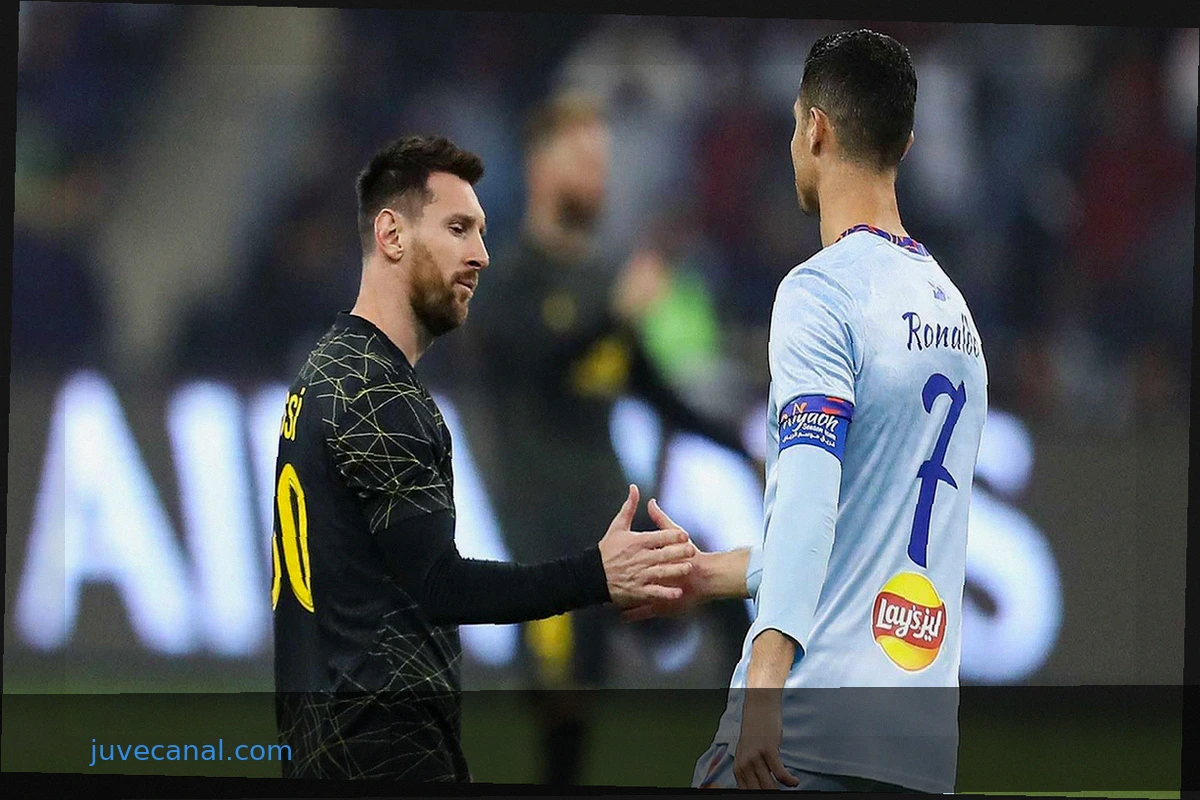
Cristiano Ronaldo Honors Lionel Messi's National Team Legacy
Lionel Messi's final game for the Argentinian national team resonated even with his longtime rival. Cristiano Ronaldo responded to Messi's farewell post after his last international match, showing immense respect for his former arch-nemesis in the debate for the world's best player.
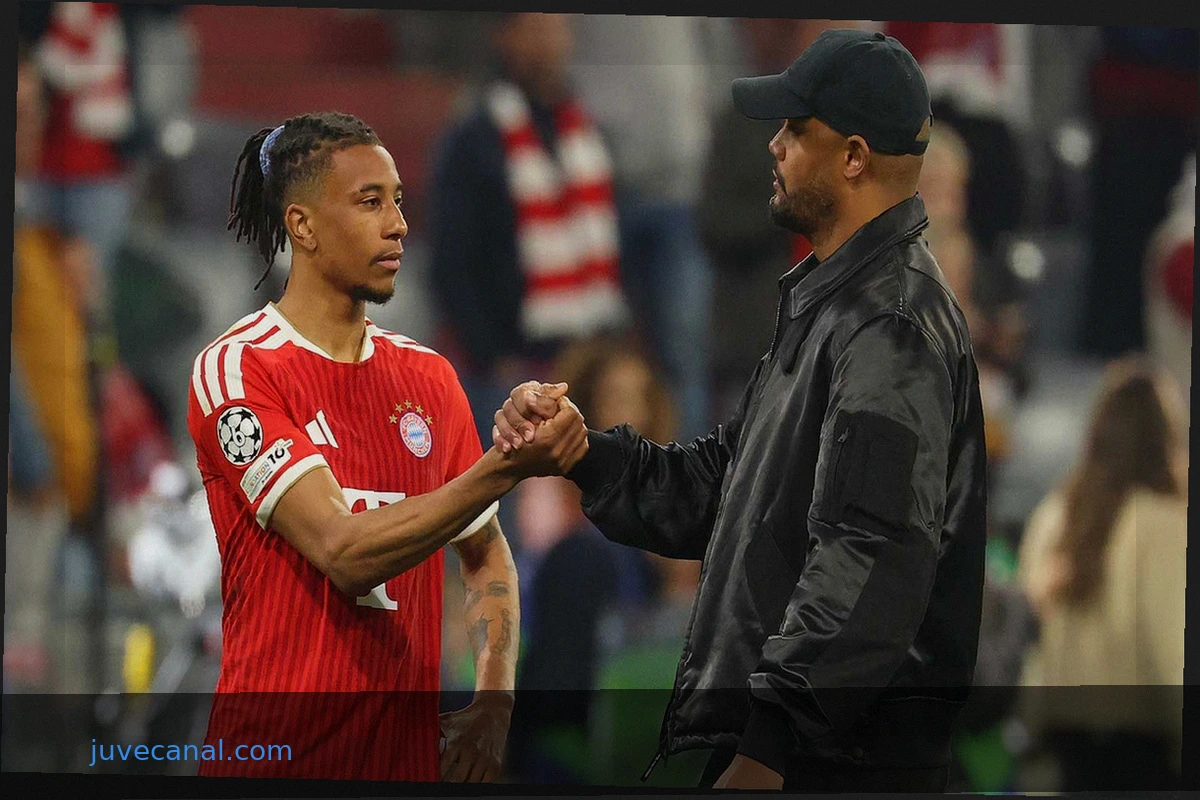
Vincent Kompany: Michael Olise's Rise is His Own Doing, Not Mine
Vincent Kompany does not want to overstate his own contribution to Michael Olise's meteoric rise to world-class status. "I believe a player with Michael Olise's talent will always make it; he would always be one of the best players," said the Bayern coach in an interview with RTL/Sky Spor
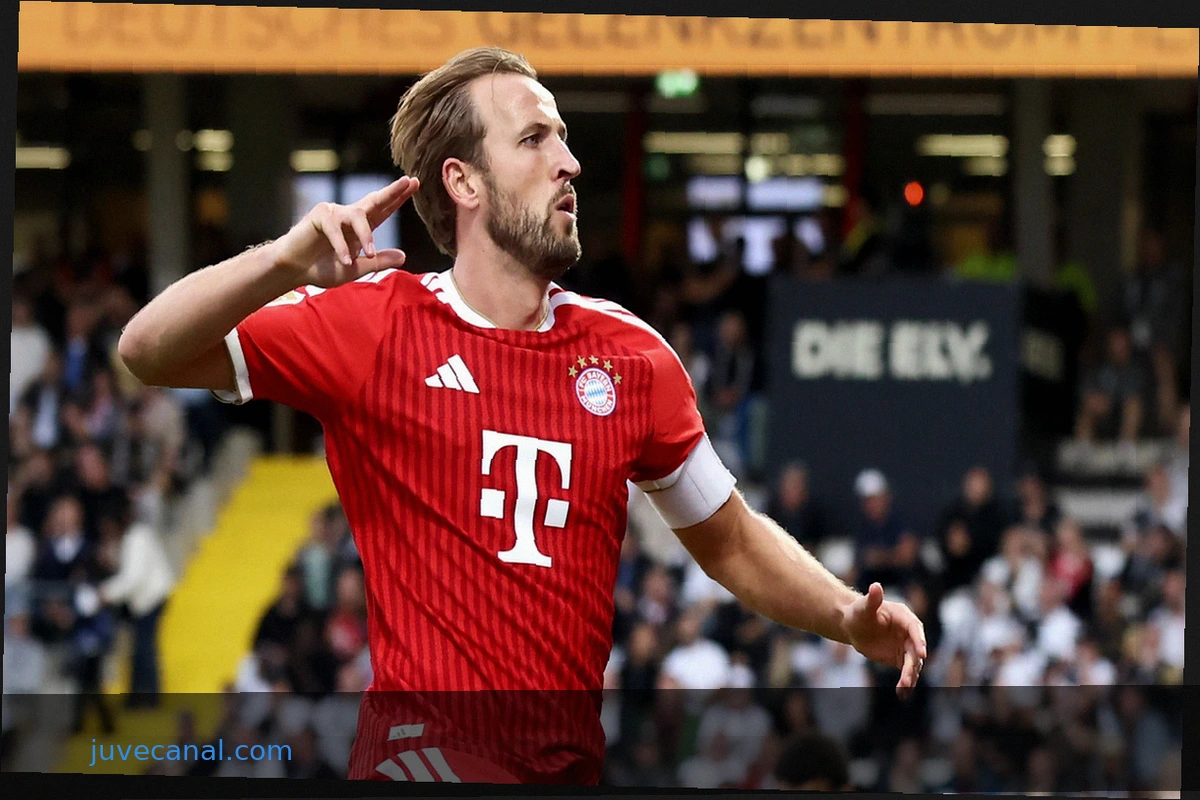
Ex-Ronaldo Coach Praises Bayern's Harry Kane: "Never Seen Anything Like It"
Harry Kane, the star striker for FC Bayern Munich, has received exceptional praise from Anthony Barry, a former assistant coach at the club. Barry, who also served as an assistant to Thomas Tuchel at Bayern, declared, "He's the best goalscorer I've ever worked with." He elaborated, "And t
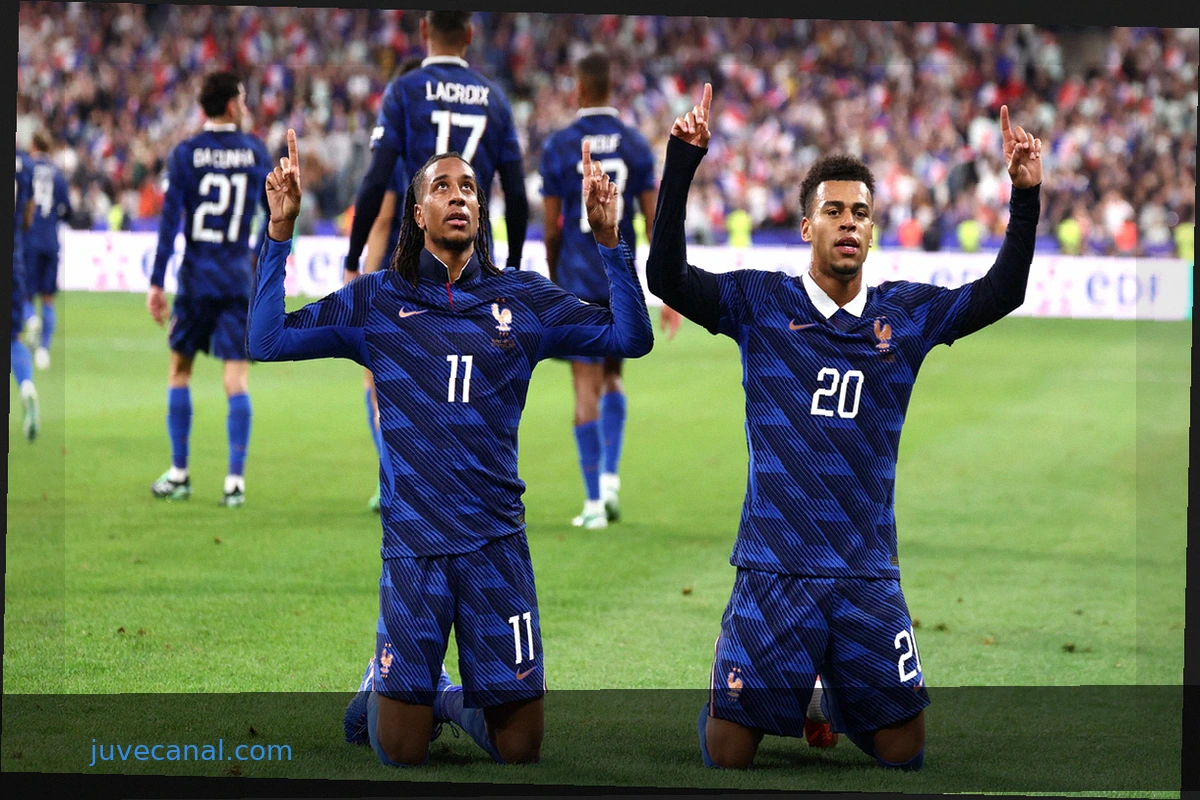
Michael Olise's 30-Minute Brilliance Leads France Past Belgium; Vincenzo Montella Under Pressure as Turkey Falters
France recovered from a deficit against Belgium, thanks to Michael Olise's 30-minute masterclass. Italy's repeated win over Turkey leaves coach Vincenzo Montella's job in jeopardy. Bayern star Michael Olise delivered a home win for French national team coach Zinedine Zidane in his first m
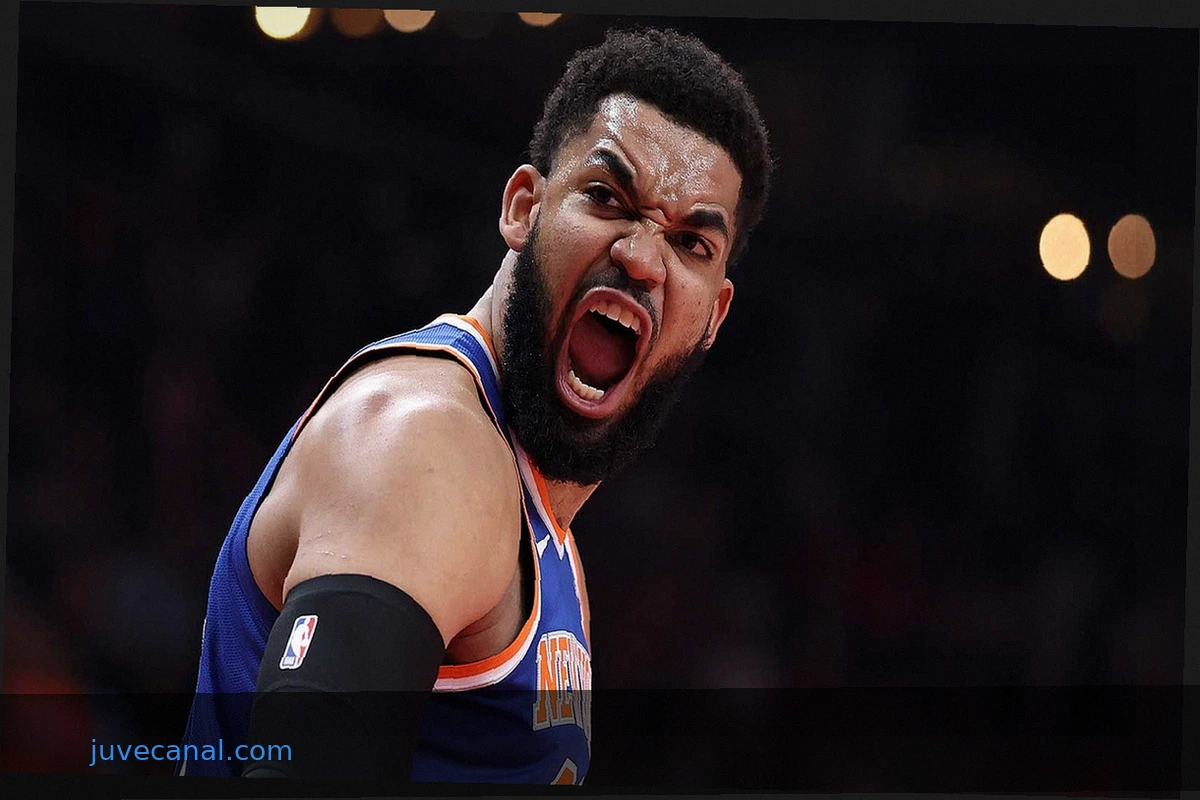
Karl-Anthony Towns' Bombshell Statement: A Knicks Meltdown Imminent?
Karl-Anthony Towns' contract situation is heating up. The New York Knicks co-star has caused a stir with a critical statement. Towns enters his final contract year, set to earn $57.1 million next season, with a player option for $61 million the following year. This means Towns could leave
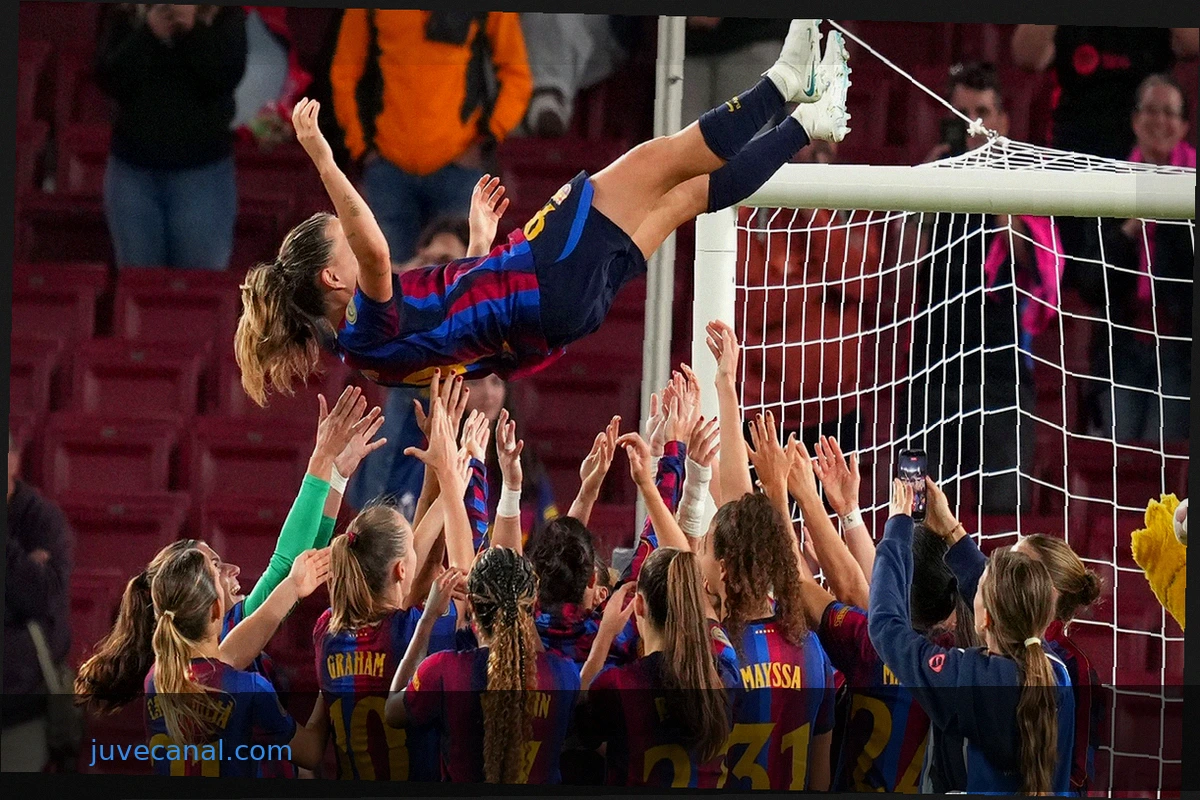
Barcelona Dominates Real Madrid 7-0 in Clasico, Pina Nets Four
The German trio of Elisa Senß, Merle Frohms, and Sara Däbritz faced a severe defeat with Real Madrid against FC Barcelona in the Clasico. At Camp Nou on Sunday evening, Real conceded a devastating 0-7 loss, trailing by five goals before halftime. National player Senß and former DFB goa