NBA Tests Revolutionary Rule Changes in Summer League
The NBA is set to introduce two significant experimental changes during the upcoming Summer League, with a focus on free throws and officiating. These alterations aim to streamline the game and enhance the spectator experience.
As announced shortly before the start of the Summer League, the league will implement two notable changes during the top talent matchups in California, Salt Lake City, and Las Vegas. The most prominent of these is a radical alteration to free throws.
The so-called 'One-Freethrow-Rule' dictates that fouled players will now only take a single free throw. If a foul would have typically resulted in two free throws, a successful shot from the line will count for two points. In the case of a foul on a three-point attempt, the player will get one shot from the line, worth three points if made.
Should these changes prove successful, fans could be among the biggest beneficiaries. The reduction in free throws is expected to significantly increase the proportion of live basketball action within a game broadcast.
However, the final two minutes of regulation and the entirety of overtime will remain exempt from this new rule. In these crucial "crunchtime" situations, the traditional number of free throws will still be taken.
This concept is not new to the NBA landscape and has been utilized in the G-League since the 2019-2020 season to "increase game flow." The fact that this rule has been in place in the development league for an extended period suggests its effectiveness. It will make its debut in the 'California Classics' starting on Saturday night.
New Aid for Referees: Ball Equipped with Sensor
When the Miami Heat face the San Antonio Spurs to open the Summer League, the game ball will be equipped with an integrated sensor. According to the league, the sensor "has no significant impact on the weight, feel, or playability of the ball" but is capable of detecting contact with it.
The data collected by the sensor is intended to assist referees in making challenging calls. This is particularly relevant for determining which player from which team last touched the ball before it went out of bounds.
Furthermore, it appears that reviews of blocking and goaltending decisions will become more precise in the future, potentially reducing lengthy review sessions involving rewinding and replaying footage. The same applies to shots taken just before the buzzer.
Fresh materials — Serie A
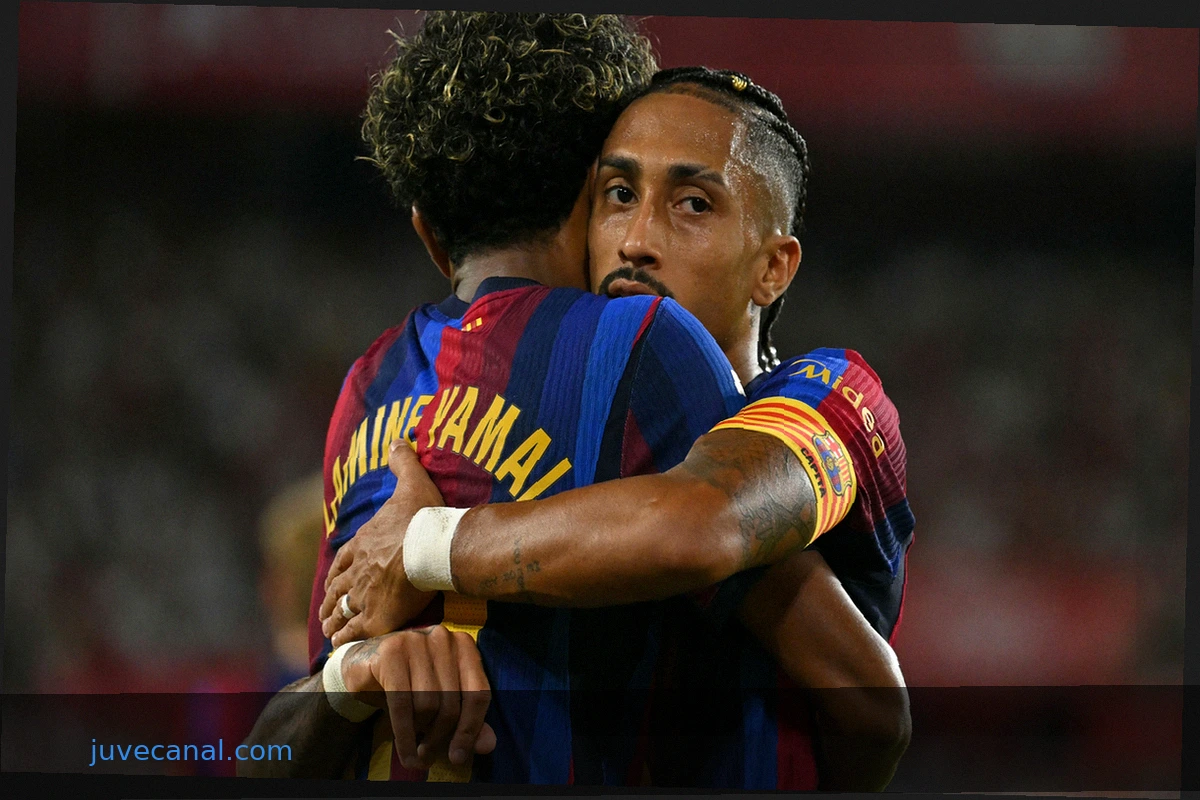
Raphinha's Scorching Start: Barcelona Star Surpasses Messi, Trails Only Ronaldo
Raphinha is scoring goals for Barcelona with apparent ease. He turned a 0-1 deficit against FC Sevilla into a 3-1 victory. The first half at the Estadio Ramon Sanchez Pizjuan was a hard-fought, balanced affair. League leaders Barcelona found themselves trailing briefly after Youssouf Fofa
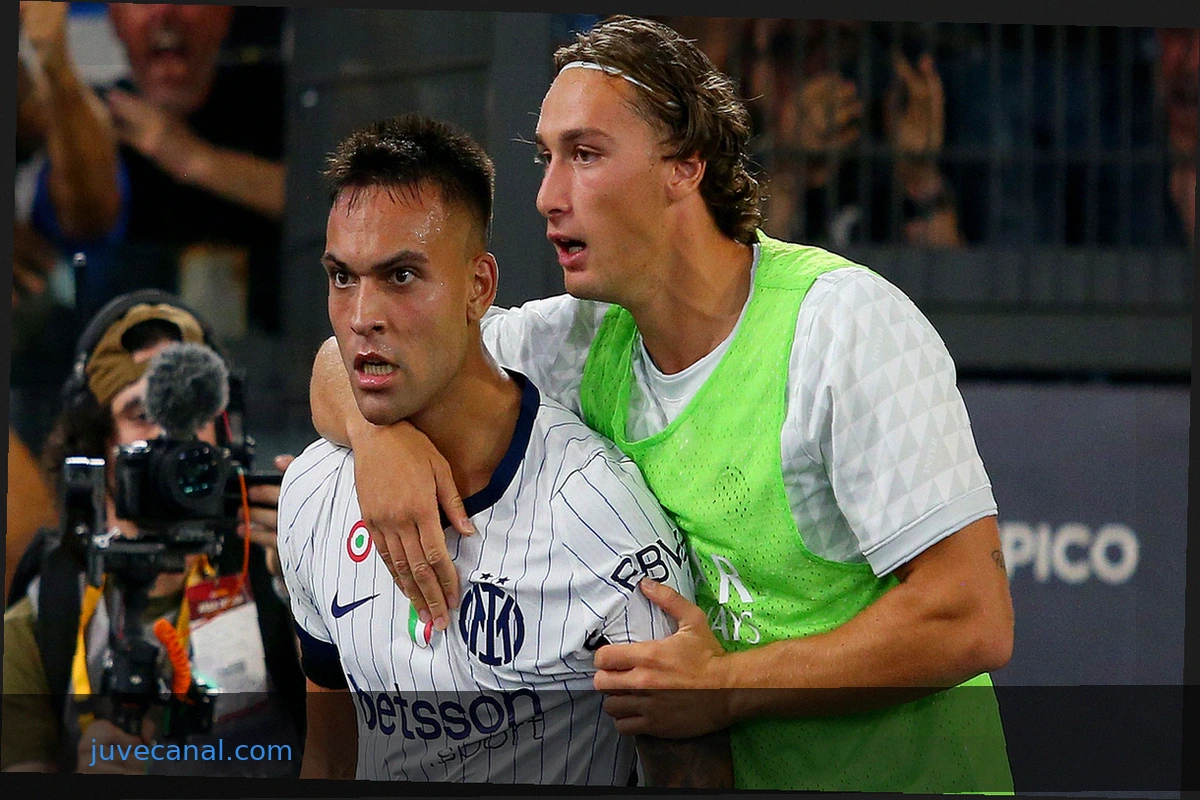
Inter's Curious Streak: Lautaro Martinez Saves Point After Falling Behind Against AS Roma
Italy's champions have a recurring issue: they consistently find themselves trailing 0-2. The upside? The Nerazzurri rarely lose. Mostly. For the third consecutive league game at the Stadio Olimpico, Inter conceded two goals to fall behind 0-2. On Saturday evening in Rome, it was Manu Kon
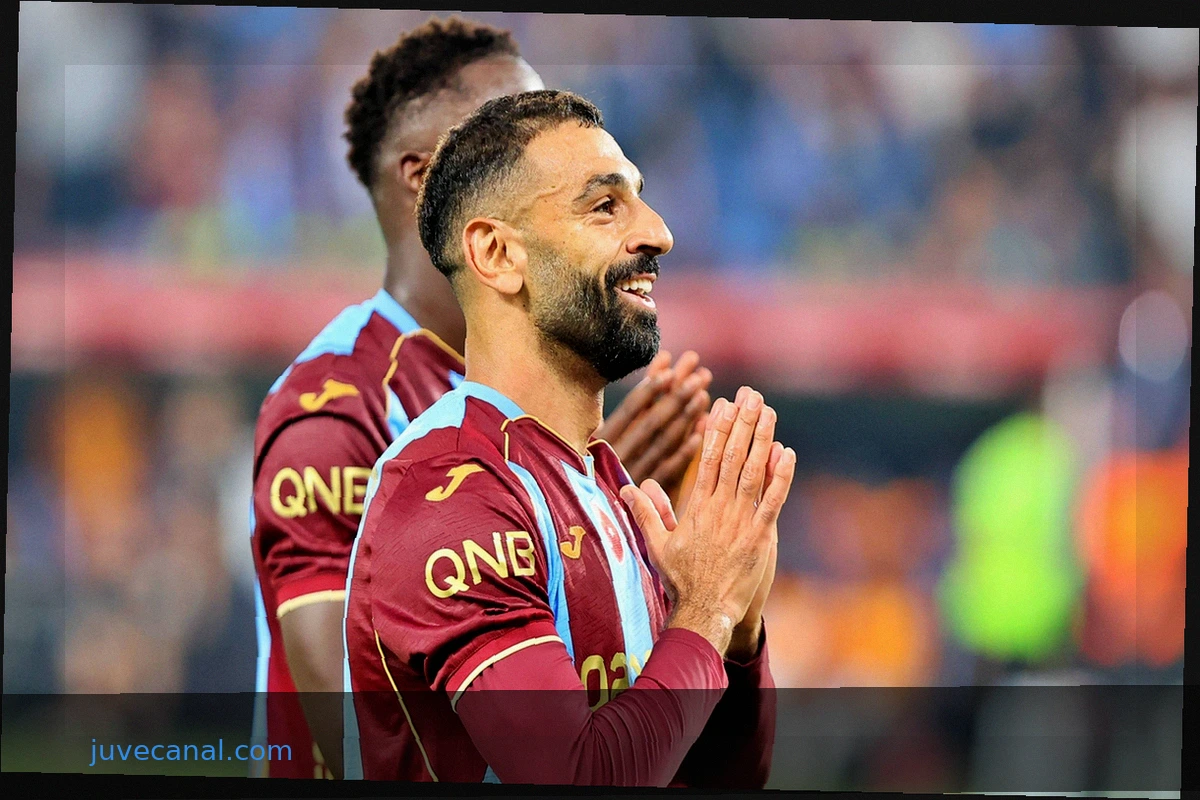
Mohamed Salah Shines in Thomas Reis's Debut as Trabzonspor Dominates Galatasaray
Mohamed Salah gave his new coach Thomas Reis a perfect start at Trabzonspor. Trabzonspor secured a decisive 4-0 win (3-0 at halftime) against league leaders Galatasaray Istanbul, who were previously undefeated. Salah netted three goals and set up Noah Saviolo's fourth for the team. S
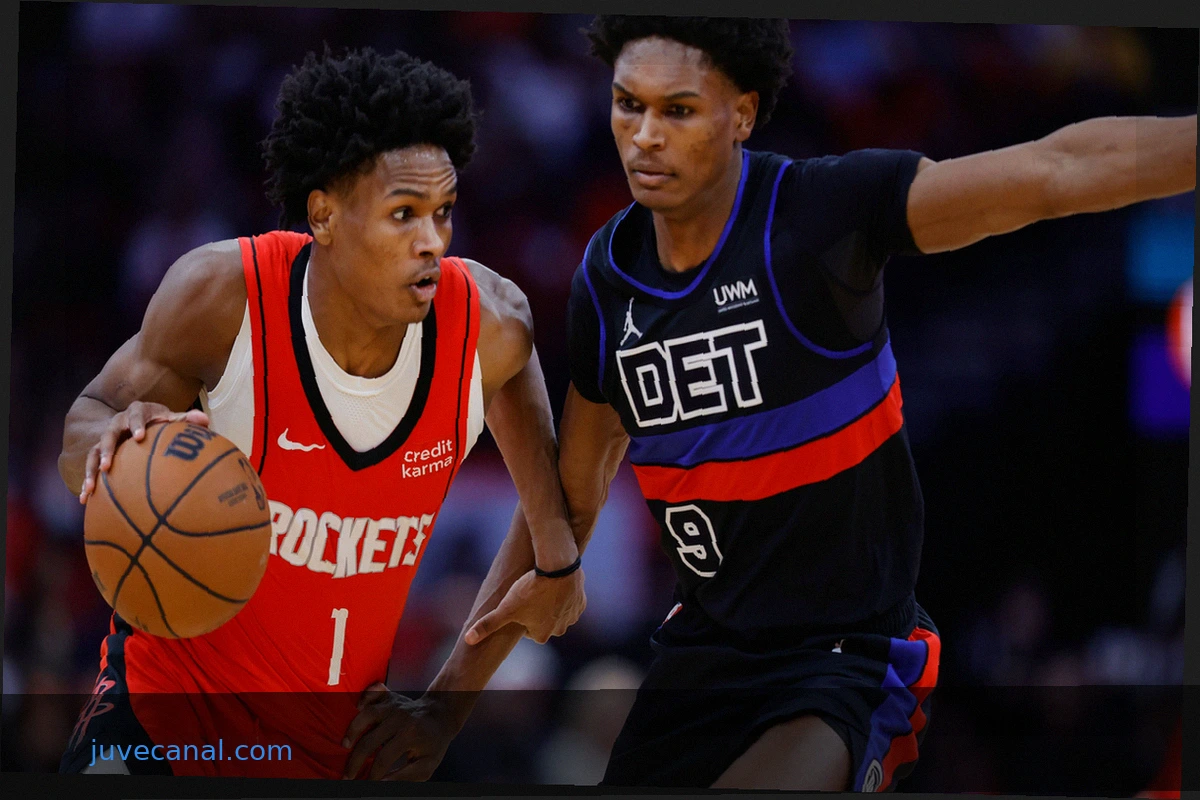
NBA's Thompson Twins Make History with Over $360 Million in Contracts
The Thompson twins, Ausar and Amen, have achieved a historic milestone this summer with their recent contract agreements, marking the first time brothers in the NBA have each secured contracts exceeding $100 million. Ausar Thompson has agreed to a five-year, $155 million rookie-scale exte
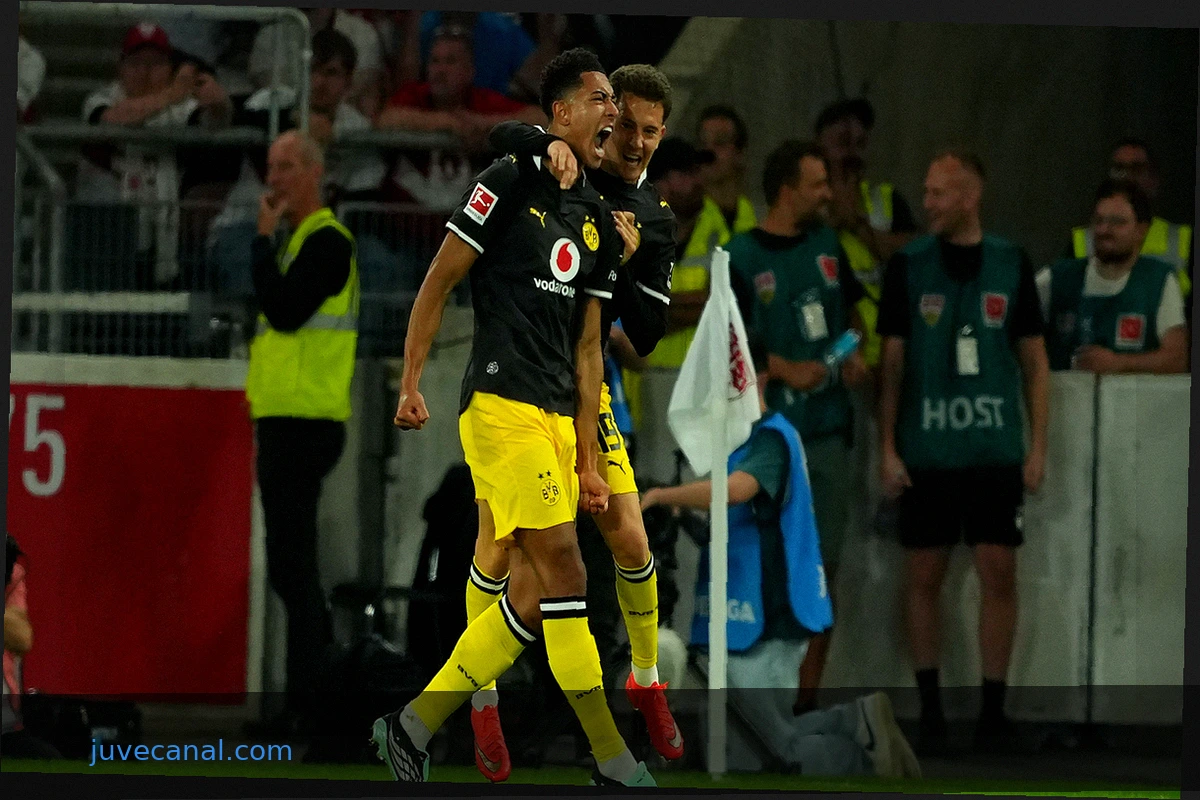
BVB Secures Victory with Late Substitute Spark Against VfB Stuttgart
Maximilian Beier, overlooked by national coach Jürgen Klopp, scored the decisive goal for BVB in their 1-0 victory over VfB Stuttgart. His strike, seven minutes after entering the match, was pivotal. Two substitutes were instrumental in this win. Here are the player ratings and individual revi
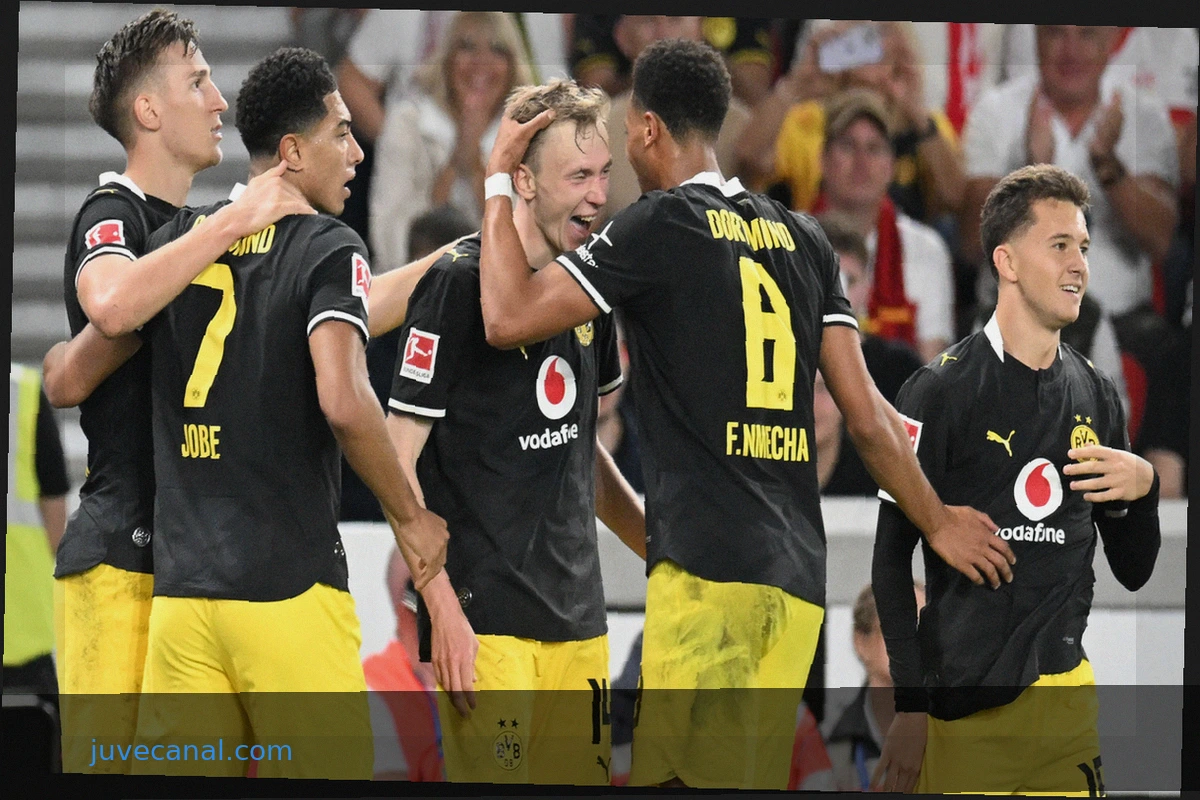
"We're taking this with us": BVB Leads Table for First Time Since May 2023 - Bayern in Pursuit!
Borussia Dortmund has capped off a dream start, fighting their way back to the top of the German Bundesliga table after 1212 days. Officials from Borussia Dortmund celebrated their team's success with visible joy. The club's supporters shared in the euphoria, as BVB enters the long international