Jonas Vingegaard Claims First Yellow Jersey, Defeating Tadej Pogacar in Tour de France Opener
The rivalry has begun: Jonas Vingegaard has stunningly seized the first yellow jersey of the 113th Tour de France.
The two-time overall winner raced to victory in the team time trial during the festive Grand Départ in Barcelona, finishing fastest on the legendary Olympic mountain Montjuic and sending an early statement of intent to the dominant Tadej Pogacar.
"That was the perfect start. It's still a long Tour, of course," said Vingegaard. The winner of the 2022 and 2023 editions expressed great satisfaction with his overall lead: "To get the yellow jersey, after a few hard years without wearing it, is nice. It's a big victory for us."
Vingegaard (Visma-Lease a bike) finished eight seconds ahead of Italy's Filippo Ganna of the Netcompany-Ineos team over the 19.6-kilometer course in an exciting finale, securing an initial twelve-second lead over defending champion Pogacar (UAE Emirates-XRG), who finished third and will have to settle for the polka-dot jersey for now. World time trial champion Remco Evenepoel, as captain of the German team Red Bull-Bora-hansgrohe, came in fifth (0:19 minutes back), with his German teammate Florian Lipowitz finishing eighth (+0:35).
A Good Omen? Echoes of 1971 and Eddy Merckx
Vingegaard, who gained significant confidence in the anticipated duel with Pogacar, slipped into the Maillot Jaune, dashing the yellow jersey dreams of the Red Bull team. The Raubling-based squad had high hopes for their first stage win in three years with Evenepoel, the world's best time trialist. Jai Hindley, now a helper for the dual leadership of Evenepoel and Lipowitz, was the last rider from the top German team to lead the general classification in 2022.
In the first team time trial to open the Tour since 1971 – when the Molteni team, featuring future winner Eddy Merckx, triumphed – Vingegaard also benefited from the new format. Although the eight riders of a squad started together, only the time of the fastest rider counted for the stage result.
For the general classification, the individual time of each rider was crucial. Pogacar claimed the polka-dot jersey, while Egan Bernal of the Ineos team took the green sprint jersey. The first successor to Lipowitz in white is the young Spanish rider Juan Ayuso from the German team Lidl-Trek.
Visma's Best Time Holds Against Tadej Pogacar and UAE
The not entirely uncontroversial format allowed for considerable tactical flexibility. This was especially true given the spectacular finale after the first approximately 16 kilometers of classic time trial terrain, featuring largely flat and long straightaways passing some of Barcelona's most famous landmarks like the Olympic Port and the Gaudí cathedral Sagrada Familia, as well as 15 tricky 90-degree turns.
Two longer uphill sections in the final 3500 meters pushed some teams to their limits, particularly the finishing ramp to the Olympic Stadium (800m with an average gradient of seven percent), which demanded significant specific power.
Visma, thanks to Vingegaard, set the fastest time late in the race as one of the last teams to start, a time that also withstood the challenge from UAE with Pogacar. Several teams lost crucial seconds, including Decathlon-CMA CGM with France's hopeful Paul Sexias. The 19-year-old managed to limit his losses by finishing tenth but will start the second stage on Sunday already 39 seconds behind Vingegaard.
Second Stage Also Concludes in Barcelona
This stage also concludes in the capital of Catalonia, which has hosted the Tour de France three times before (1957, 1965, and 2009) – and, as always, Montjuic is the finish line. Before that, however, the riders will be dropped off in Tarragona, about 90 km west of Barcelona, before embarking on a 183.9-kilometer return journey.
For 80 kilometers, the route follows the coast, largely flat but under significant wind influence. The second half of the race then presents a classic-style course with a Category 2 climb and four Category 3 ascents. The finale will be contested on a circuit in Barcelona, which must be completed three times and where the classification riders are likely to be the focus once again.
Fresh materials — Serie A
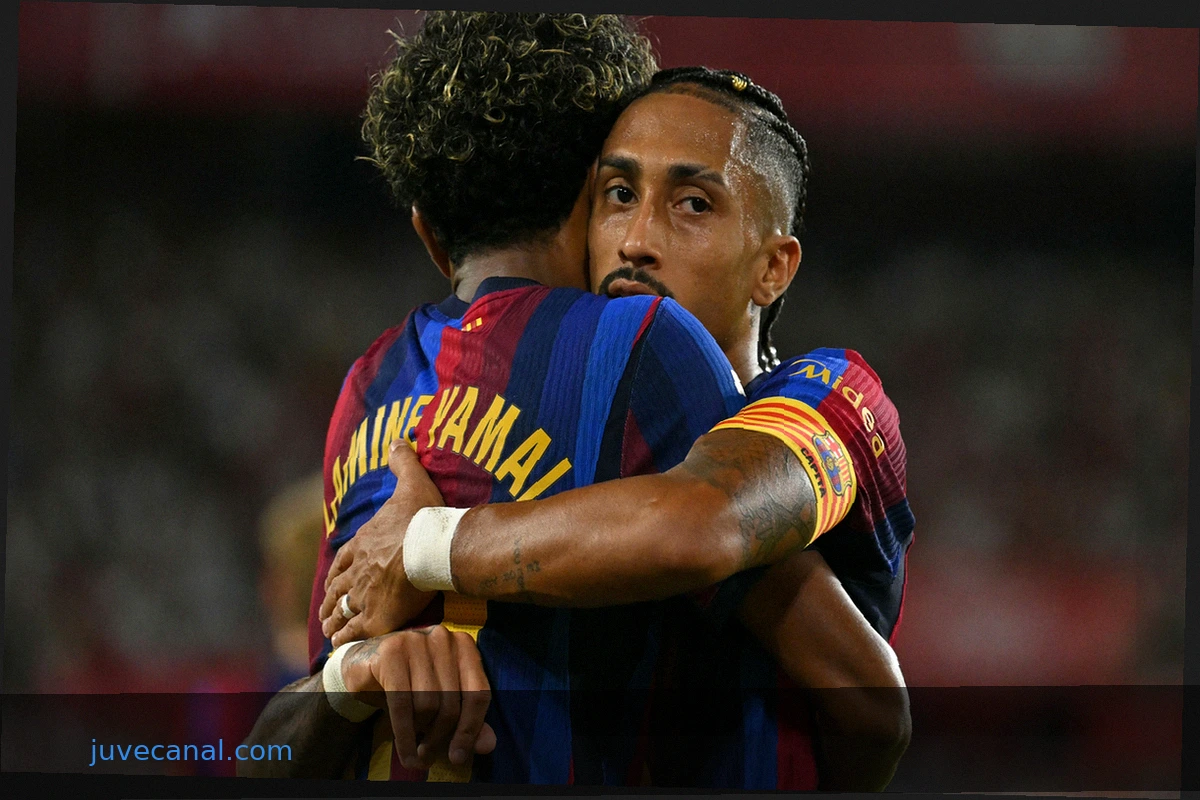
Raphinha's Scorching Start: Barcelona Star Surpasses Messi, Trails Only Ronaldo
Raphinha is scoring goals for Barcelona with apparent ease. He turned a 0-1 deficit against FC Sevilla into a 3-1 victory. The first half at the Estadio Ramon Sanchez Pizjuan was a hard-fought, balanced affair. League leaders Barcelona found themselves trailing briefly after Youssouf Fofa
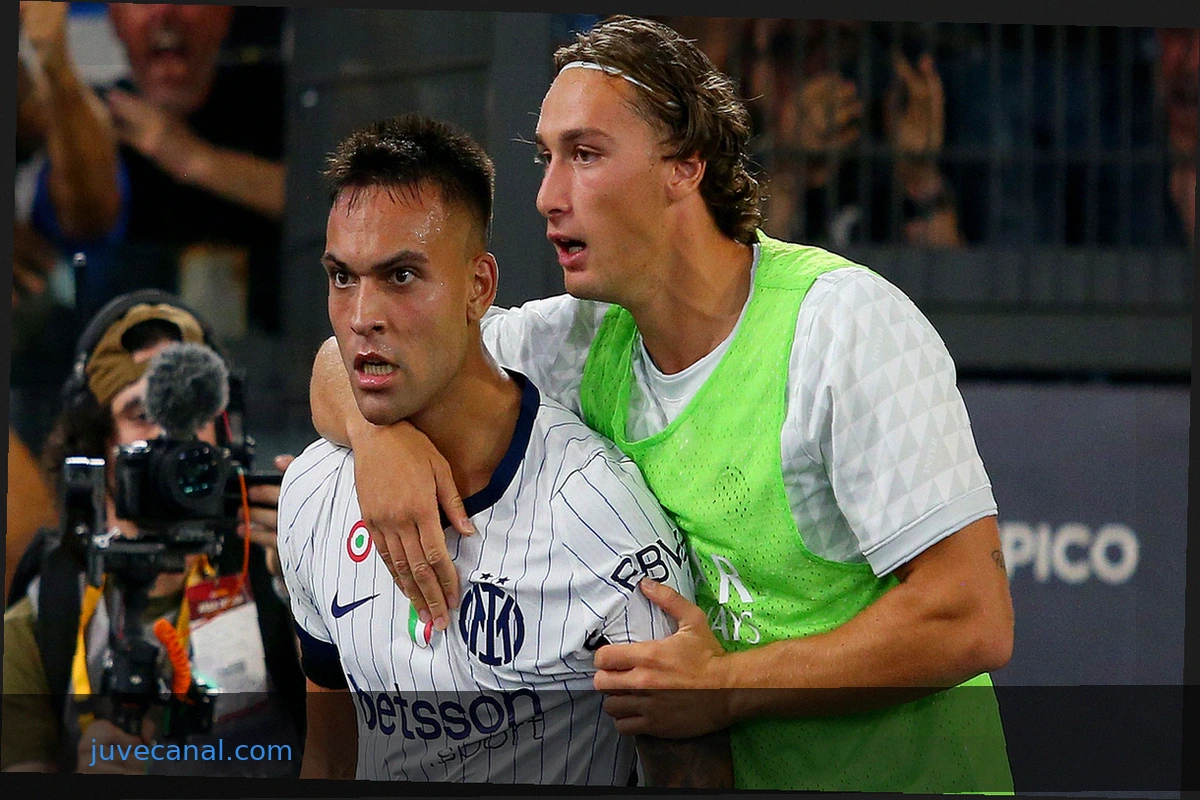
Inter's Curious Streak: Lautaro Martinez Saves Point After Falling Behind Against AS Roma
Italy's champions have a recurring issue: they consistently find themselves trailing 0-2. The upside? The Nerazzurri rarely lose. Mostly. For the third consecutive league game at the Stadio Olimpico, Inter conceded two goals to fall behind 0-2. On Saturday evening in Rome, it was Manu Kon
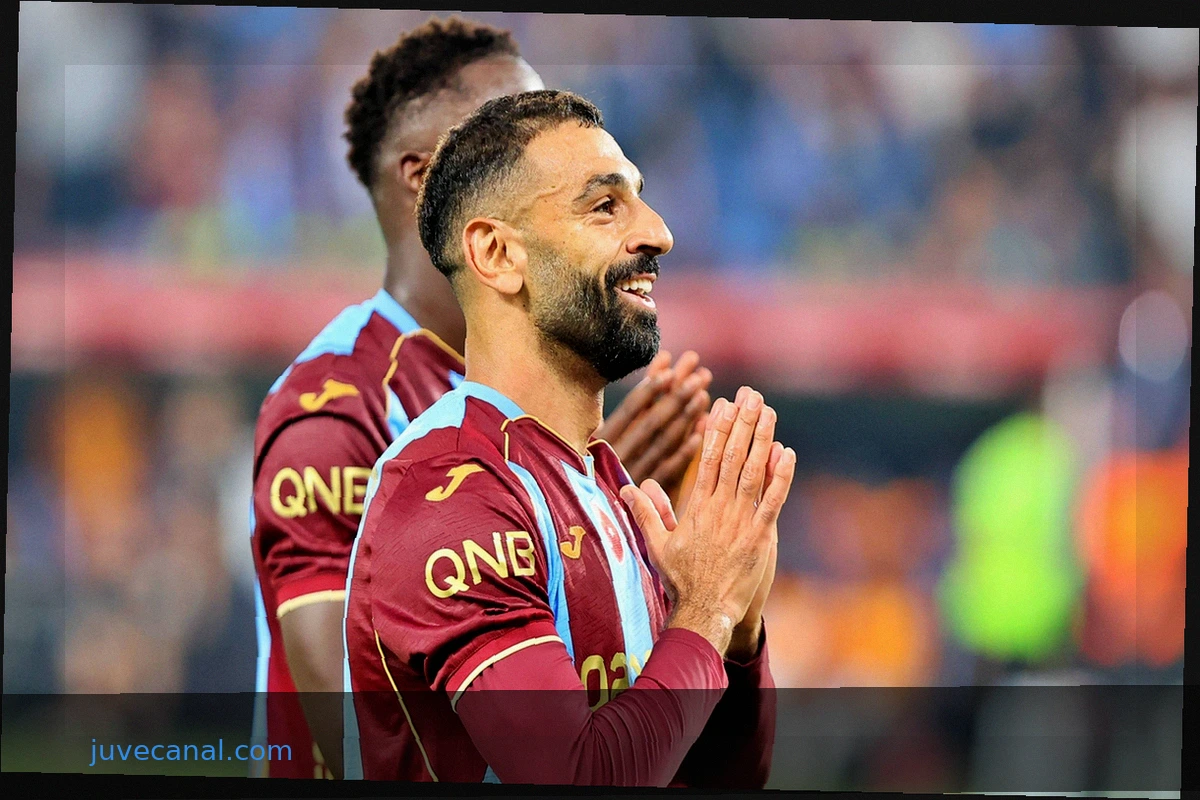
Mohamed Salah Shines in Thomas Reis's Debut as Trabzonspor Dominates Galatasaray
Mohamed Salah gave his new coach Thomas Reis a perfect start at Trabzonspor. Trabzonspor secured a decisive 4-0 win (3-0 at halftime) against league leaders Galatasaray Istanbul, who were previously undefeated. Salah netted three goals and set up Noah Saviolo's fourth for the team. S
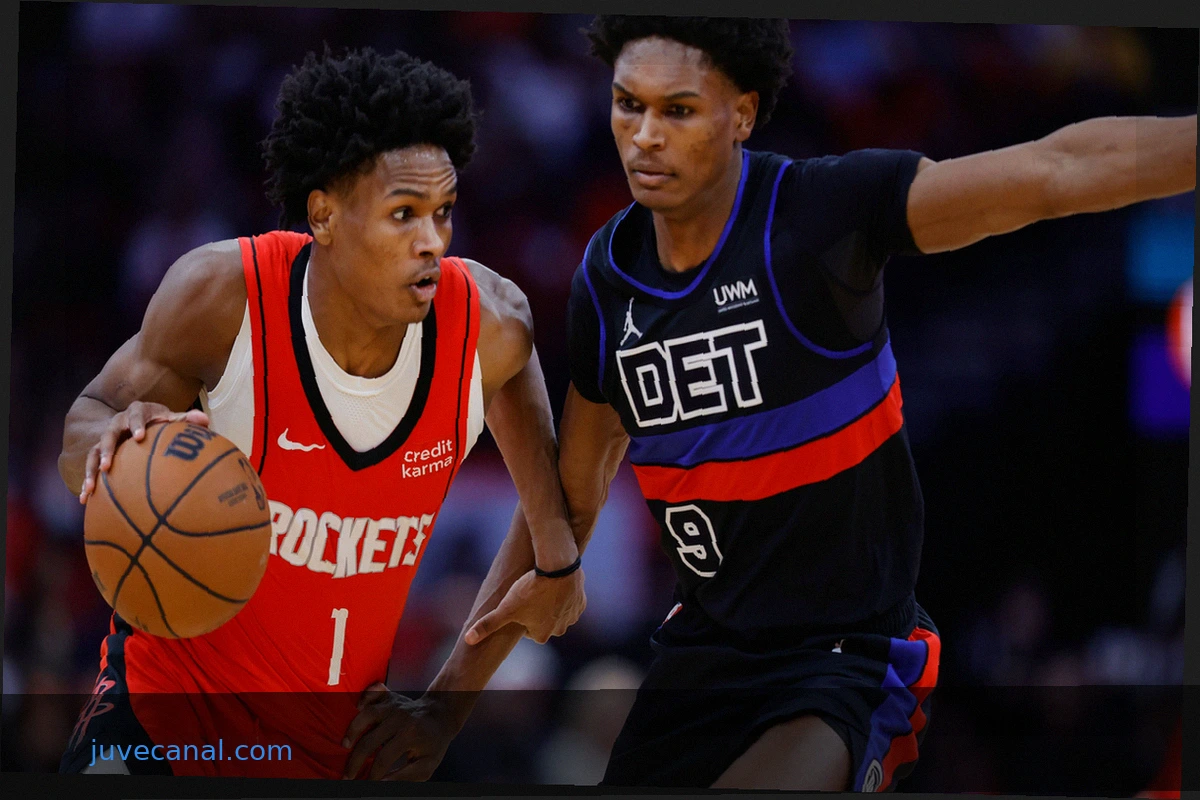
NBA's Thompson Twins Make History with Over $360 Million in Contracts
The Thompson twins, Ausar and Amen, have achieved a historic milestone this summer with their recent contract agreements, marking the first time brothers in the NBA have each secured contracts exceeding $100 million. Ausar Thompson has agreed to a five-year, $155 million rookie-scale exte
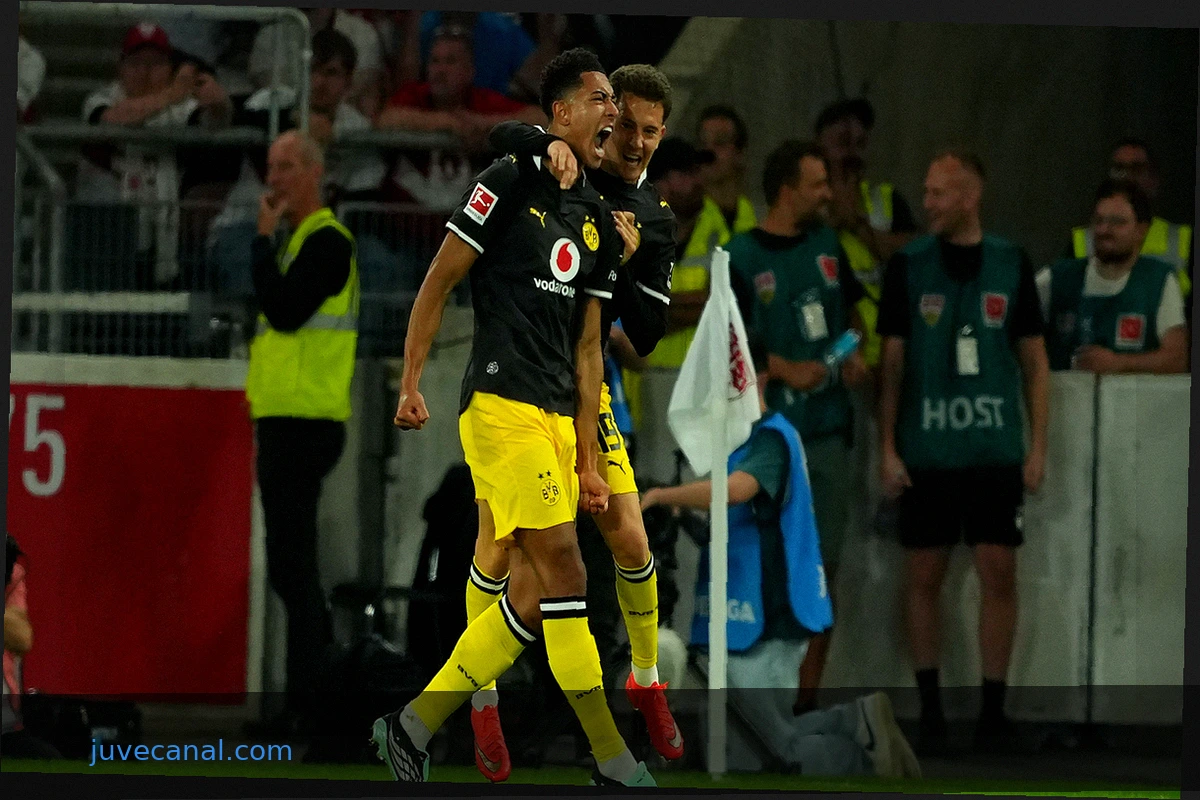
BVB Secures Victory with Late Substitute Spark Against VfB Stuttgart
Maximilian Beier, overlooked by national coach Jürgen Klopp, scored the decisive goal for BVB in their 1-0 victory over VfB Stuttgart. His strike, seven minutes after entering the match, was pivotal. Two substitutes were instrumental in this win. Here are the player ratings and individual revi
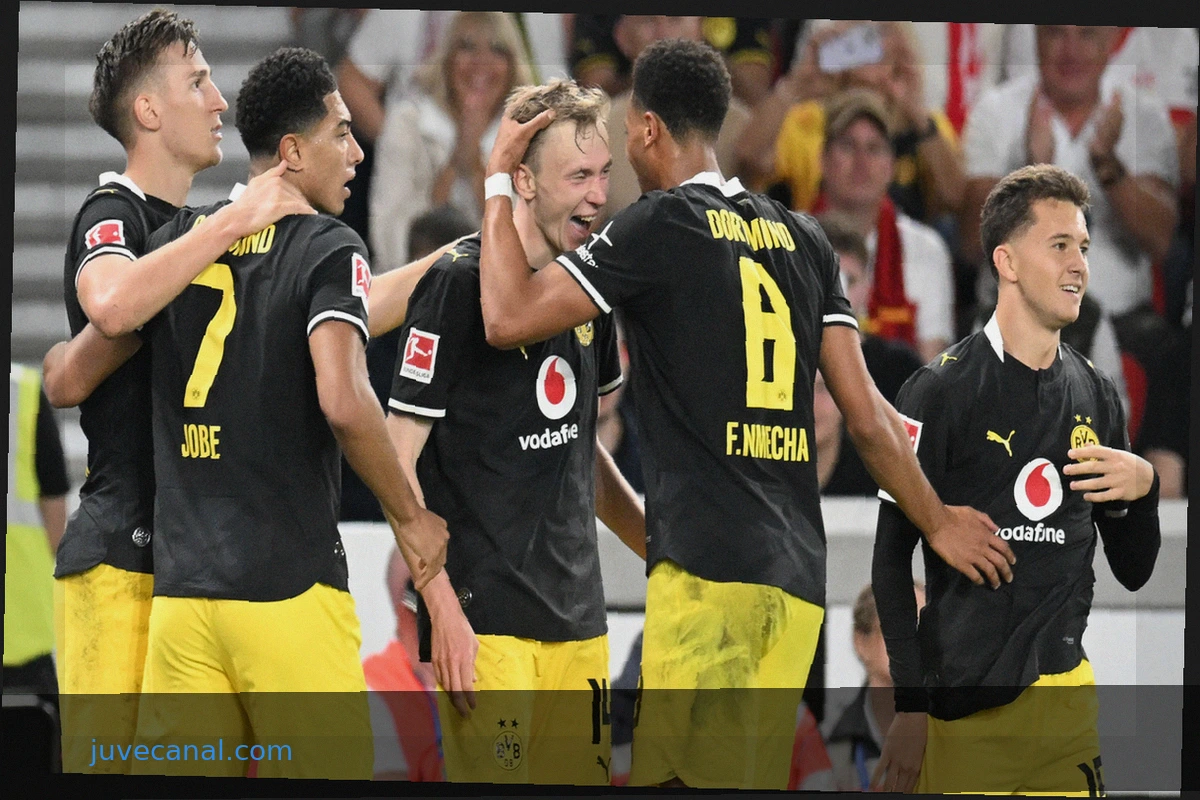
"We're taking this with us": BVB Leads Table for First Time Since May 2023 - Bayern in Pursuit!
Borussia Dortmund has capped off a dream start, fighting their way back to the top of the German Bundesliga table after 1212 days. Officials from Borussia Dortmund celebrated their team's success with visible joy. The club's supporters shared in the euphoria, as BVB enters the long international