

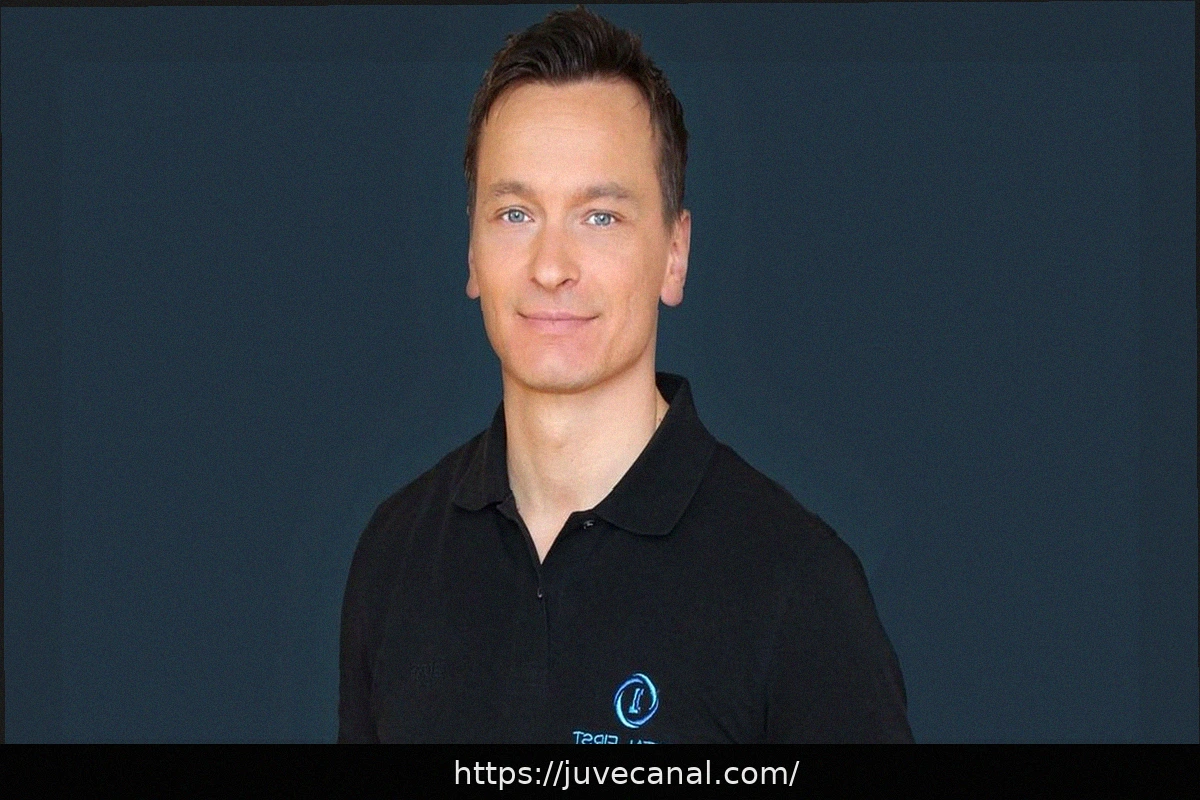
Andreas Bosch is a licensed mental coach who works with numerous professional athletes. In an interview, the 45-year-old explains the specifics of his work, discusses Germany’s error culture, and comments on Harry Kane’s penalty record.
Mr. Bosch, if you had to boil it down to a simple sentence: Why is sports mental training not yet an essential component of modern elite sports in Germany?
Andreas Bosch: I often ask myself the same question (laughs). Especially because, in my daily interactions with professionals, I see the significant difference that structured mental training can make.
Okay, that counts. Now, please elaborate!
Bosch: I think it’s because mental training isn’t something tangible or visual. You can train the body or its speed, but the idea that this also applies to our invisible thoughts hasn’t fully caught on yet, because the concrete added value is still not widely understood. Training one’s thoughts for specific stress or pressure situations has a crucial influence on how I act and perform. In the long term, mental training should therefore be just as self-evident as athletic or technical training.
How many of the 36 clubs in the Bundesliga and 2. Liga currently engage with or offer this topic?
Bosch: Unfortunately, not all of them yet, though I don’t have exact figures. Many clubs now work with sports psychologists. In the youth academies, it’s even mandatory. This shows that the topic is generally recognized. The question is always how seriously it is pursued. I like to distinguish between two roles: We are mental trainers, and the word ‘trainer’ is in it. This means we work very practically and directly within the training and competition context.
How many players seek this individual support?
Bosch: Fortunately, it’s an increasing number. In my experience, a growing proportion of players openly discuss pressure and understand that their thoughts can be trained. Whether it’s with their own coach, the club-employed sports psychologist, or even in a conversation with a friend.
How many do you currently mentor?
Bosch: Around a dozen.
Are there any truly prominent names among them?
Bosch: It’s very balanced. From talents to established professionals who are key players in their teams.
‘The Image of Mental Training Is Still Partially Distorted’
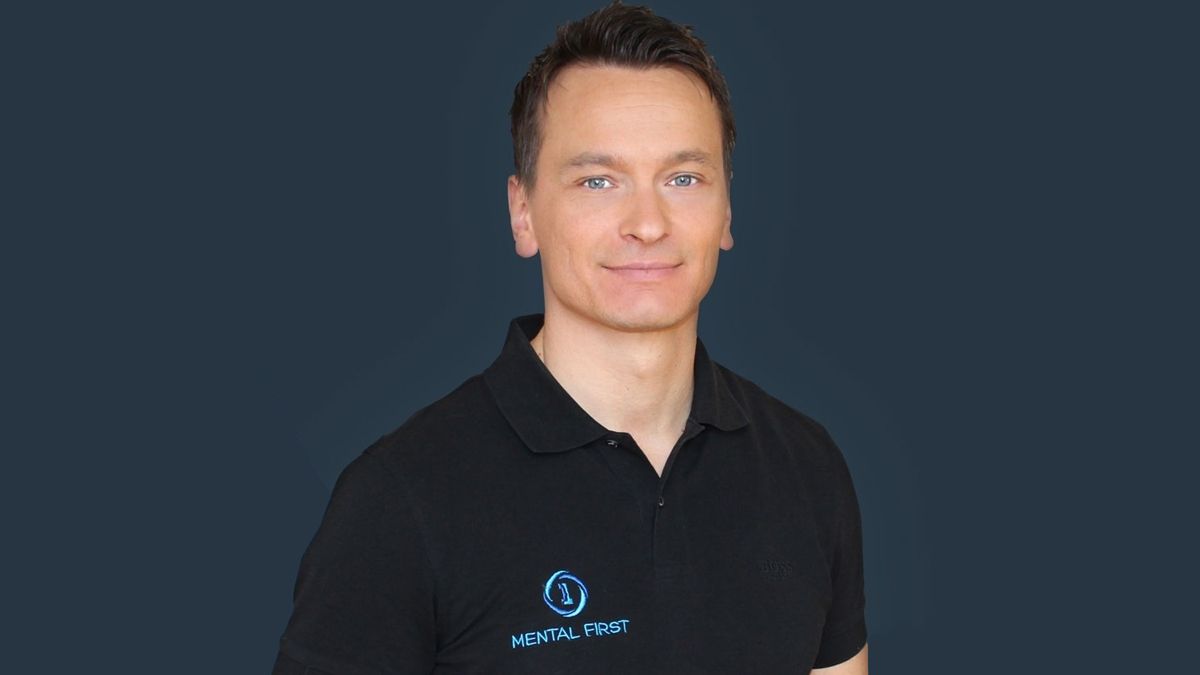
Sports psychologists are usually permanently employed by clubs. How should mental coaches be handled?
Bosch: Mental coaches are often freelancers, which gives them a certain advantage. Many footballers prefer to address this topic outside of their club. As an employee, a sports psychologist operates within the club’s organizational structure. Some players therefore find it easier to exchange ideas outside the club. Nevertheless, a mental coach within a club can provide enormous added value.
Should they then hold a superior position?
Bosch: Exactly, because they should, of course, always work to some extent with the coach. There’s no point in helping footballers get as close as possible to a state of flow if the coach doesn’t also have sufficient tools to achieve and, crucially, support this state of flow. Flow is transferable. When coaches and players understand and apply similar mental principles, this state can actually intensify within a team.
It’s constantly said in elite sports how important the mind is for performance. Yet, mental training has hardly been systematically used so far. Why is there seemingly such reluctance?
Bosch: Because the prevailing image of mental training is still partially distorted. Thirty years ago, athletes were made to walk over broken glass. I believe many still have such methods in mind. Such images continue to shape understanding to this day. But mental training is not a motivational speech; it’s systematic training of mental skills like focus, self-regulation, and coping with pressure.
So, is Christoph Daum to blame?
Bosch: No. (laughs) I thought it was very good that he always showed openness and recognized that there was something there that certainly played a role. I don’t want to speak ill of it. A problem is rather that the profession of mental coach is unfortunately not protected; anyone can call themselves one. That’s precisely why we, in the German Federal Association for Sports Mental Training, advocate for clear quality standards. We use proven methods, for example, from sports psychology, and put them into practice.
Mental Components as a Weakness: A Typically German Problem?
Can an elite athlete accurately assess on their own whether they need mental training as a tool?
Bosch: It’s very individual. Professional footballers are all in a fixed bubble with a very limited environment. It often starts with the views that players’ agents have on mental training. If there’s a certain openness there, they find it easier to take the step. Others don’t know the added value and think: Why would I need that, I’m already mentally strong?
How often do players only use mental training when they already have a concrete need for action?
Bosch: That’s not uncommon – and it’s a shame. Mental training primarily aims at performance development. You can always learn something new and get better, even if it’s just by one or two percent. Especially at the highest level, precisely these small percentage points can be decisive.
Do many professionals also put too much pressure on themselves because they primarily define themselves as footballers, and compared to that, their private personality is hardly developed?
Bosch: Definitely. If one’s identity is defined exclusively by performance, that can become very burdensome. They are, after all, more than that. They are people with numerous feelings and perhaps goals far beyond football. Therefore, the environment is also so crucial.
Is it a typically German problem that mental components are still interpreted as a weakness?
Bosch: I once lived in the USA for a year. There, mistakes are dealt with much more openly. In Germany, there’s a rather difficult error culture, where the topic is often hidden. There have been, and currently are, sufficient cases of Olympians who are very dependent on sponsors, and these sponsors withdrew because the athlete needed mental support.
Harry Kane’s Flawless Record: How to Train Penalties
Jürgen Klinsmann, as national coach, already relied on mental training in 2006. How important was he for the development of the topic within professional football?
Bosch: Very, because he showed a lot of courage in doing so. I thought that was great. It generally also has to do with one’s attitude towards life, how open-minded one is to new impulses. He might have been able to do without the Buddha figures; that was probably too much for some. (laughs) But fundamentally, he set important impulses. It’s a great shame that he was widely criticized for his methods back then.
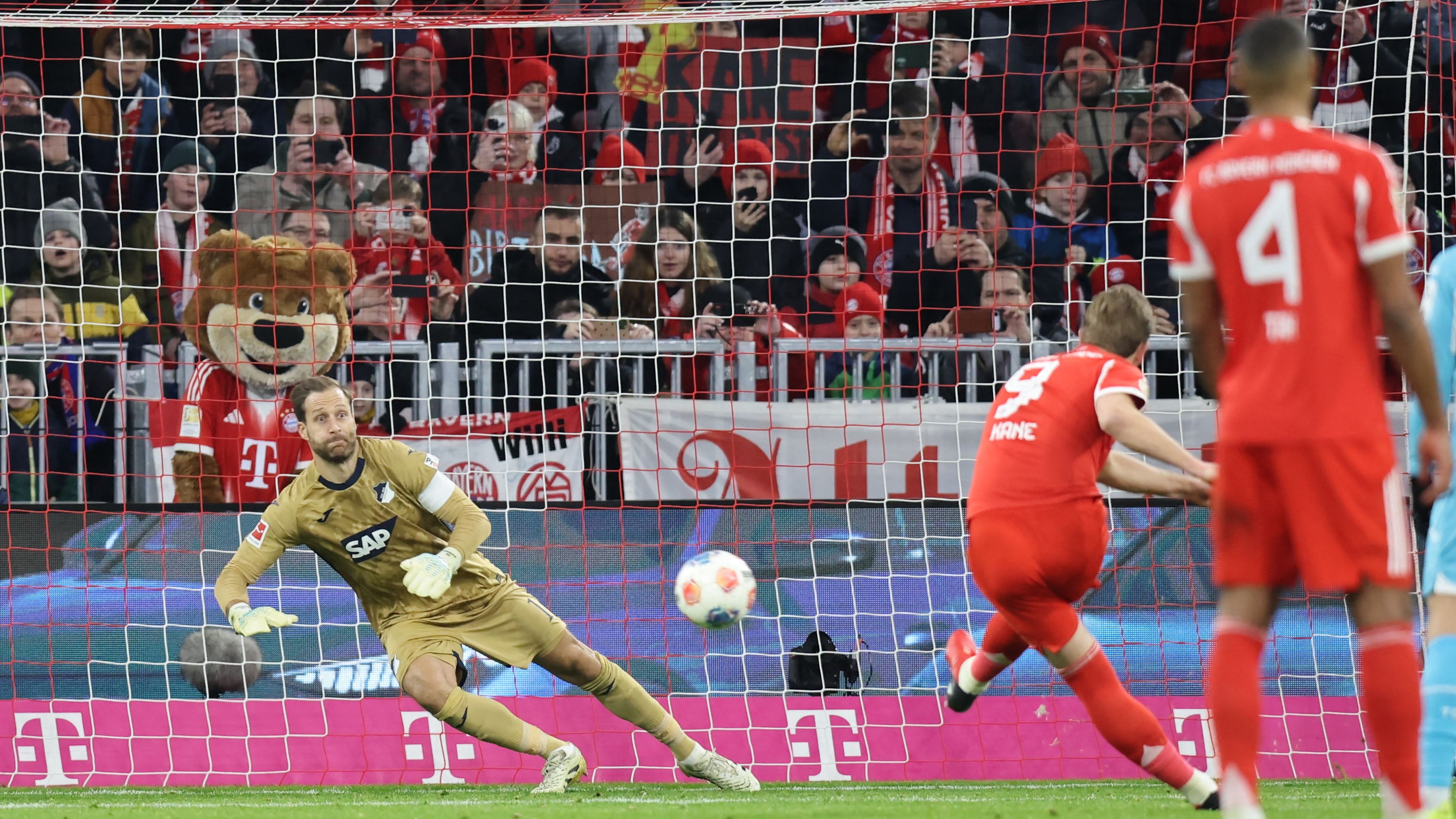
Harry Kane has not missed any of his 24 penalties in the Bundesliga and is a rock in this pressure situation. How can you train your thoughts to get closer to such a record and consistency?
Bosch: First, it’s often said that it’s impossible, but of course, you can train penalties. The crucial point is often that you exclusively think about the negative consequences. But this aspect can be integrated into training by creating an appropriate setting and giving the player the feeling that something significant is at stake. So you can work with sounds and set a consequence like a penalty lap if the ball doesn’t go in.
What practical advice do you give when standing at the penalty spot?
Bosch: A lot revolves around breathing. Before execution, one should have a short breathing focus and consciously exhale once. And above all, visualize: You must decide on a corner, stick with it, and mentally imagine how the ball strikes precisely there.
An aspiring talent, such as Lennart Karl recently, often experiences rapid media hype within a very short time. How do you view such a development?
Bosch: It’s very critical for such a young player when external circumstances become overwhelming. Here, it is recommended to distinguish between controllable and uncontrollable factors. Someone like Karl absolutely must stay grounded and fully concentrate on his performance, because only that can he truly influence. To do this, one can note down questions to sharpen the focus on his individual athletic progress.
Bosch on Social Media, Schlotterbeck, and the BVB Trauma
It’s often advised to simply block out external opinions or comments on social media. To what extent is this realistic, especially for the younger generation with their increased smartphone use?
Bosch: Not at all, that’s utopian. The right way to deal with social media is very individual. However, nothing beats trained media literacy. So that you don’t read a negative comment somewhere and that’s precisely what sticks with you before going to sleep. You can also set certain time windows for when and for how long something is consumed, or simply deactivate the comment function. Others also have this topic controlled by an agency.
At Borussia Dortmund, Nico Schlotterbeck has been contemplating his sporting future for many weeks. He’s doing this in the middle of a season where he’s expected to continue performing consistently. What do you advise a top player, who has offers from big clubs, in this situation, so it doesn’t become too stressful?
Bosch: Different approaches can be pursued. For example, examining and potentially improving sleep quality. Optimizing mental recovery also plays a crucial role. So having certain anchors just for oneself to get out of the thought carousel. And again here: Sort out your thoughts to clarify what is truly controllable and what is not.
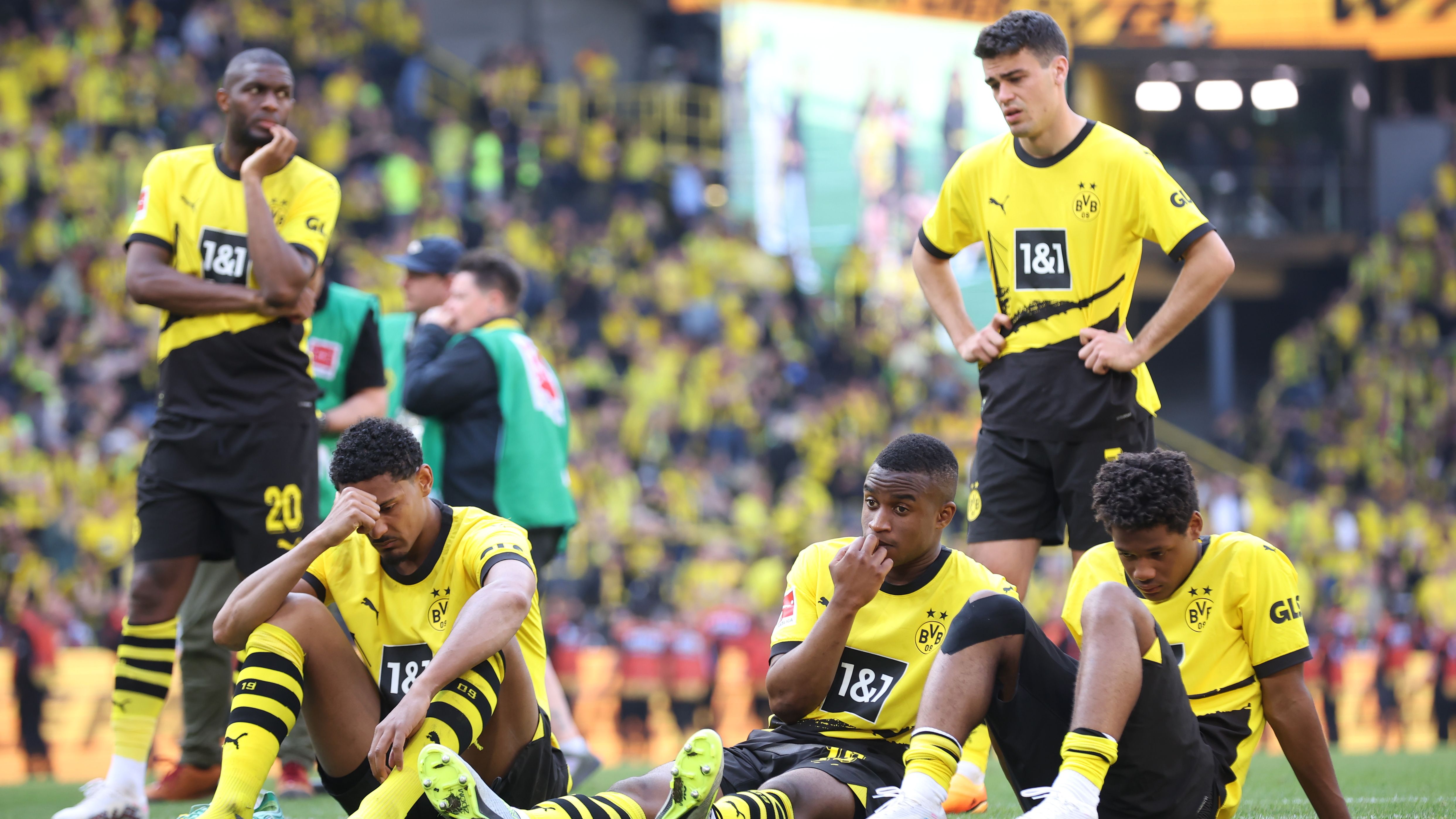
Speaking of BVB: The club has had to process two very different traumas in recent years. On the one hand, the attack on the team bus in 2017, and on the other, the dramatically squandered championship on the last matchday in 2023. Where would mental training have helped more?
Bosch: In the second example, because it was a sporting one.
What would have been your approach then, to prevent breaking under too much pressure during the match on the 34th matchday against Mainz?
Bosch: The problem was that the short-term plans for an imminent championship celebration created expectations that could quickly become a stumbling block. The hype grew immensely in a short time, even though nothing had been won yet. This immensely increases the pressure to meet expectations and inhibits players. It would have been better to maintain fixed routines around the team under all circumstances, as these create security. Especially in high-pressure situations, routines provide stability to the brain and keep the focus on performance.