Juve's Tactical Blunder Leads to Defeat
Juventus lost to Sassuolo, not just because of individual mistakes. The 3-2 defeat in the final moments was mainly a consequence of confused tactical management. The desire to win progressively erased balance, positioning, and clarity.
Coach Luciano Spalletti acknowledged the team's courage and took responsibility for urging players to push for three points until the very end. While the intention might be understandable, its execution was flawed. Juventus attacked without a proper structure, employing overly demanding pressing that was often individualistic.
The result was clear: forwards were exhausted, the midfield was out of position, and the defense was exposed to Sassuolo's counter-attacks.
Aggressive Pressing Only in Theory
Juventus attempted to press Sassuolo high up the pitch, but lacked synchronization. Strikers would press the initial ball carriers, while midfielders and defenders didn't always close down space at the same pace.
Effective pressing isn't just about running at the ball carrier. It requires the entire team to be involved: the forward directs the play, wingers cut off the flanks, the midfield challenges potential receivers, and the defense supports the forward movement.
In Sassuolo, however, there were too many isolated sprints. Players expended energy chasing opponents who still managed to find a free teammate. Once the initial press was bypassed, massive spaces opened up behind them.
Forwards Drained by Off-Ball Work
The disorganized pressing also took a toll on the offensive phase. Forwards arrived in the final third lacking sharpness, having spent too much energy far from the goal.
One forward, for instance, finished the match without taking any shots. While their responsibilities are evident, the system didn't help. The player had to constantly move between Sassuolo's center-backs, goalkeeper, and defensive midfielder without coordinated support from teammates.
Other attacking players also progressively lost their spark. While one player was more dangerous, they had to alternate between shots and lengthy chases in the second half. Juventus demanded their offensive players act simultaneously as the first line of defense and the match-winners, without providing a stable structure.
Fresh materials — Juventus News
Didier Deschamps Considering Future as Clubs Vie for His Expertise
Didier Deschamps is carefully evaluating his future. Having concluded his tenure with the French national team after the 2026 World Cup, the former Bleus coach has reportedly received multiple offers to return to club management. French media reports indicate that Saudi club Al-Ahli was among tho
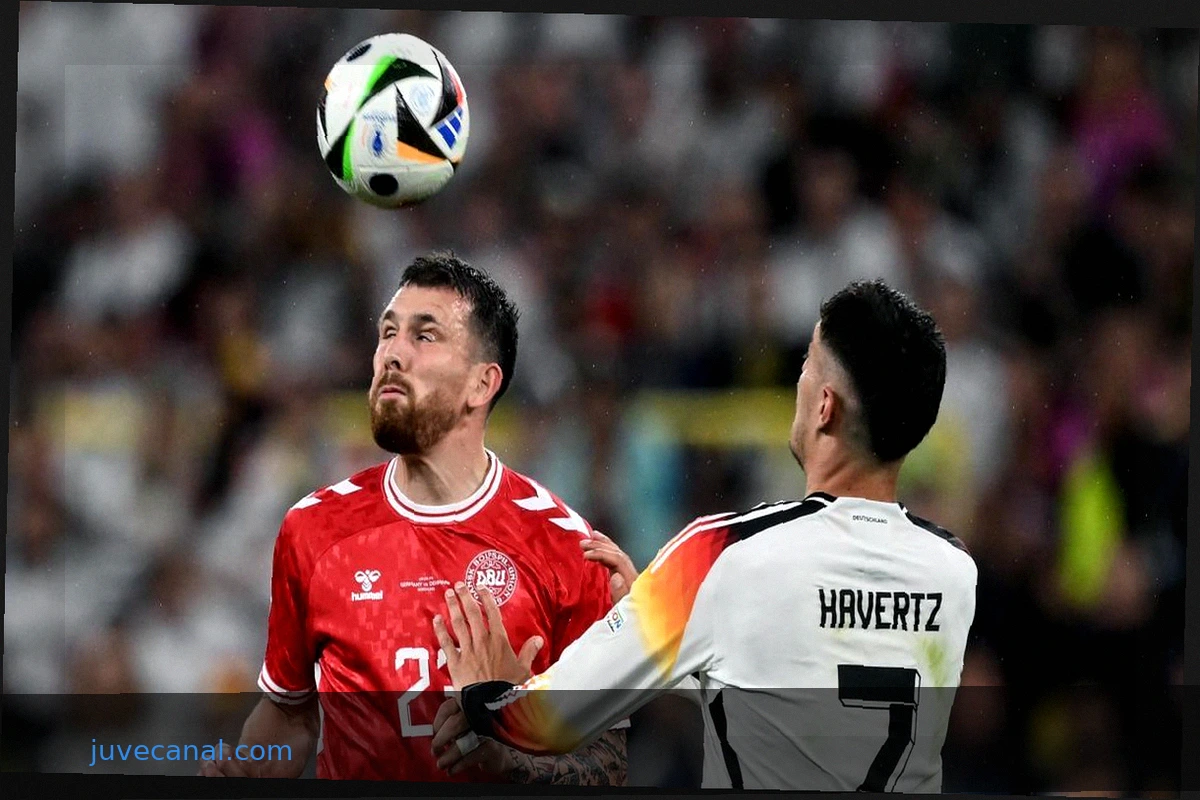
Hojberg Could Be Available for Under Ten Million Euros
Pierre-Emile Højbjerg presents a compelling opportunity for Juventus in the January transfer window. Olympique Marseille is looking to reduce its wage bill and may be willing to part with the Danish midfielder. The potential transfer fee could be quite accessible.
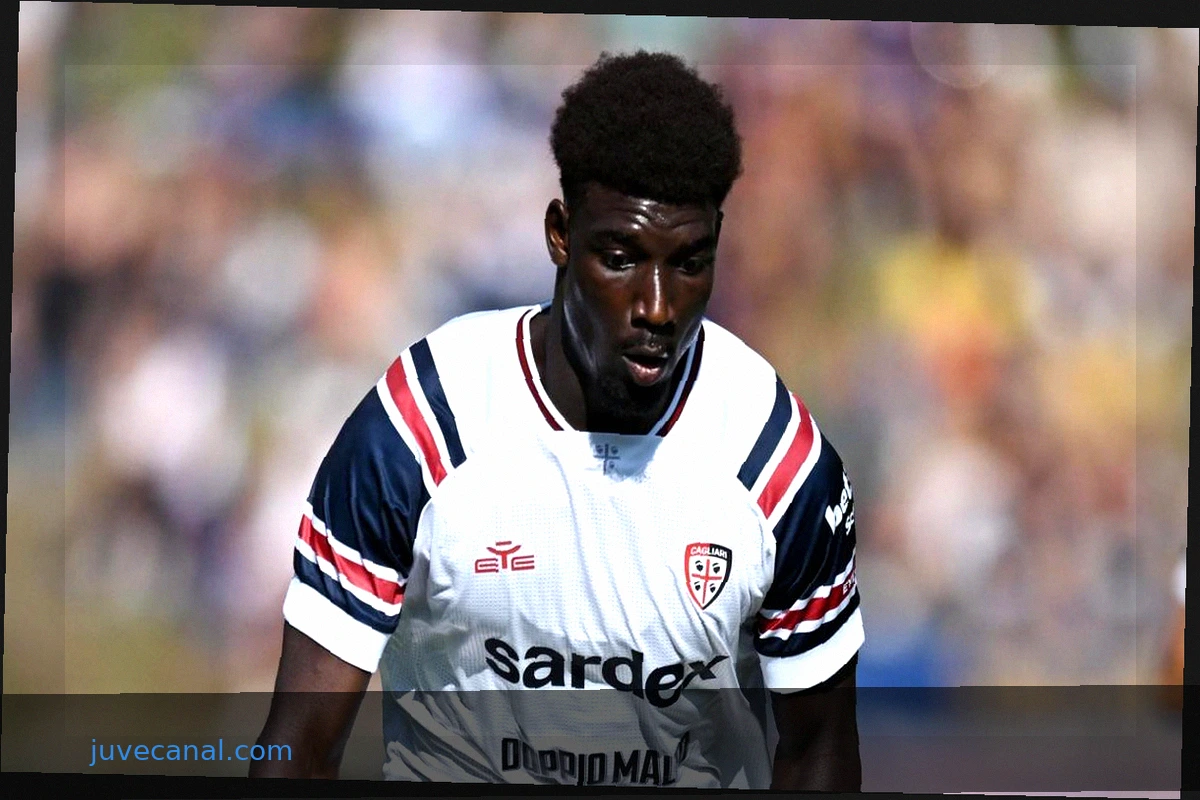
Cagliari Midfielder Adopo: "More Confidence, Tougher Opponents, Believe in Pisacane. Inspired by McTominay and Rabiot, Aiming for Greater Impact"
Cagliari midfielder Michel Adopo shared his thoughts in an exclusive interview with Sky Sport during the Serie A organized Media Day. He touched upon the team's development, his relationship with coach Fabio Pisacane, and his personal ambitions. Adopo: "We Have More Identity
Portugal vs. Norway: Conceição's Mixed Performance and Red Card
Francisco Conceição experienced a night of contrasts for Portugal. The Juventus winger was among the most active players in their 2-1 win against Norway in the Nations League. However, he tarnished his performance by receiving a red card in the 86th minute for protesting the referee's decision.
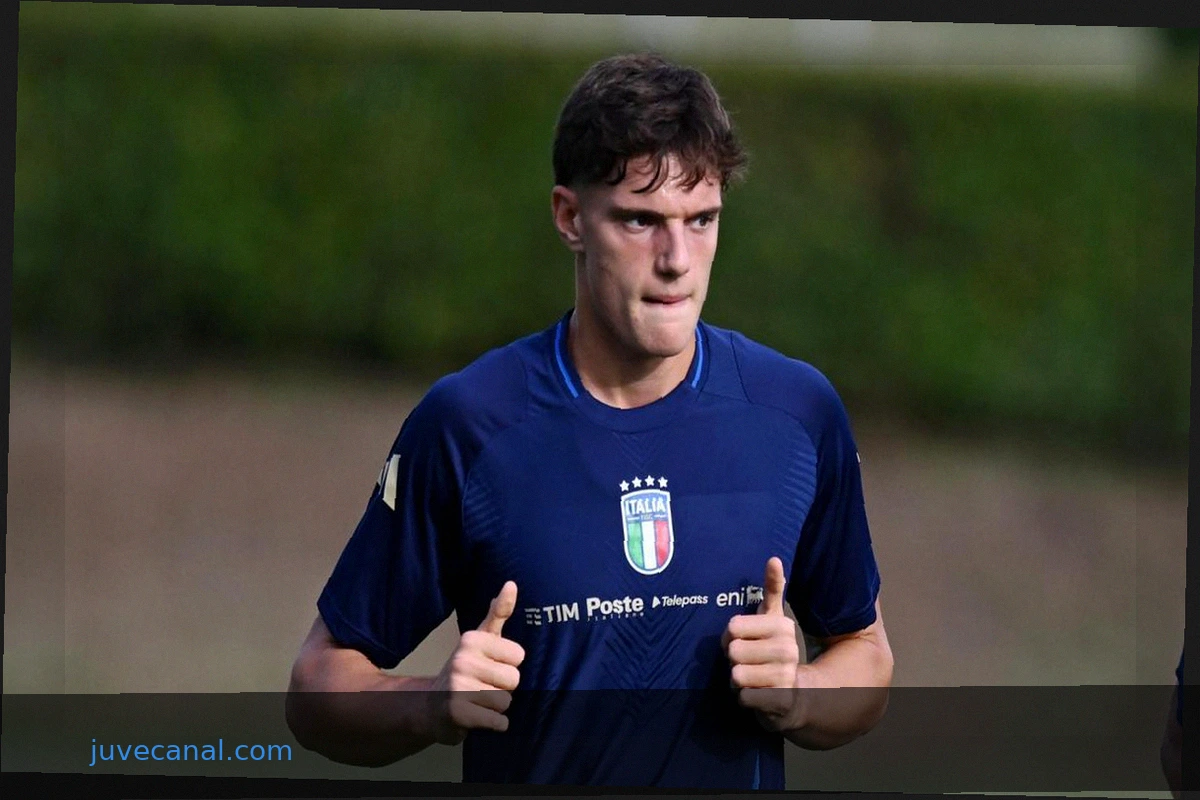
Giovanni Leoni: Juventus and Inter Monitor Defender's Situation at Liverpool
Juventus and Inter are keeping a close eye on Giovanni Leoni as he nears his return to play. Should the defender find himself with insufficient opportunities at Liverpool, a loan move in January could become a possibility. Giovanni Leoni presents a potential significant opport
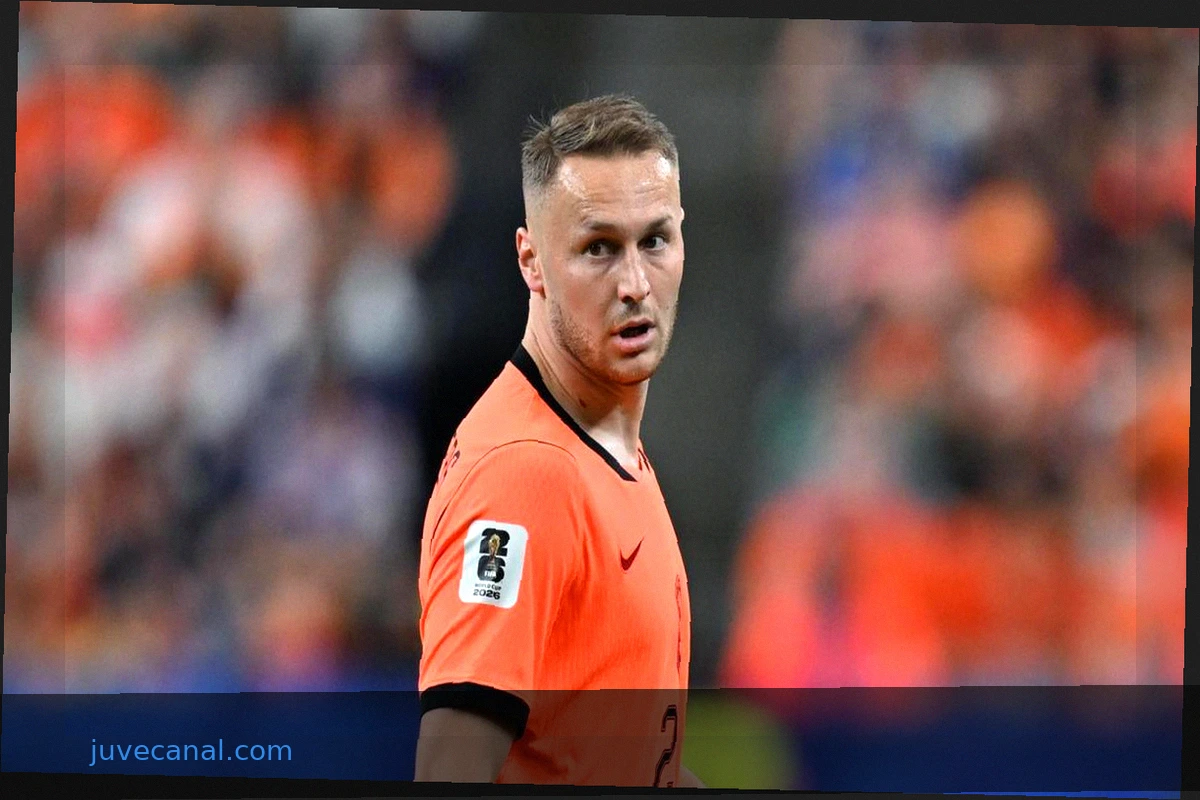
Koopmeiners' brilliance leads Netherlands past Serbia 2-1
Teun Koopmeiners delivered a standout performance for the Netherlands in their win against Serbia. The Juventus player, unexpectedly deployed by coach Xavi as a central defender alongside Virgil van Dijk, scored against Serbia and finished the 90 minutes with strong playmaking statistics, earn