Juventus Transfers: January Sales Driven by UEFA Settlement
The Juventus transfer window in January hinges on player sales. While Luciano Spalletti's squad has identified areas for improvement, Giovanni Carnevali and Frederic Massara must operate within the financial limits set by the UEFA settlement agreement. This agreement restricts the club's spending and requires careful consideration of the economic consequences of every transaction, making January a window of strategic adjustments.
UEFA Settlement Dictates Transfer Strategy
The three-year settlement with UEFA, signed last June after Juventus failed to meet "football earnings" requirements, guides the club's financial recovery. While not preventing player acquisitions, it mandates strict adherence to budget constraints. This has significantly influenced summer transfer strategies and will continue to do so.
Carnevali Clarifies Kessié Deal
Giovanni Carnevali previously explained this situation regarding the potential Franck Kessié deal. He emphasized that the issue wasn't just financial capability but the necessity of complying with UEFA's parameters. Having funds doesn't automatically permit a transaction that violates the settlement's budget.
Summer Market Focused on Cost Control
During the summer, Carnevali's strategy aimed to minimize the financial impact of new signings. The priority was player departures, sustainable deals, and transactions that spread costs over time. Fixed cost increases, primarily from salaries and amortization, were kept around 15 million euros. This approach highlights that Juventus's transfer activity should be assessed not only by the nominal value of purchases but also by contract terms, salaries, amortization, and revenue from sales.
Potential January Arrivals Depend on Sales
Spalletti and the management have time to evaluate the squad and pinpoint areas needing reinforcement. However, any new signings in January will be contingent on the overall financial picture and the successful execution of player sales.
English Translation:
Juventus's January transfer window hinges on player sales. While Luciano Spalletti's squad has identified areas for improvement, Giovanni Carnevali and Frederic Massara must operate within the financial limits set by the UEFA settlement agreement. This agreement restricts the club's spending and requires careful consideration of the economic consequences of every transaction, making January a window of strategic adjustments.
UEFA Settlement Dictates Transfer Strategy
The three-year settlement with UEFA, signed last June after Juventus failed to meet "football earnings" requirements, guides the club's financial recovery. While not preventing player acquisitions, it mandates strict adherence to budget constraints. This has significantly influenced summer transfer strategies and will continue to do so.
Carnevali Clarifies Kessié Deal
Giovanni Carnevali previously explained this situation regarding the potential Franck Kessié deal. He emphasized that the issue wasn't just financial capability but the necessity of complying with UEFA's parameters. Having funds doesn't automatically permit a transaction that violates the settlement's budget.
Summer Market Focused on Cost Control
During the summer, Carnevali's strategy aimed to minimize the financial impact of new signings. The priority was player departures, sustainable deals, and transactions that spread costs over time. Fixed cost increases, primarily from salaries and amortization, were kept around 15 million euros. This approach highlights that Juventus's transfer activity should be assessed not only by the nominal value of purchases but also by contract terms, salaries, amortization, and revenue from sales.
Potential January Arrivals Depend on Sales
Spalletti and the management have time to evaluate the squad and pinpoint areas needing reinforcement. However, any new signings in January will be contingent on the overall financial picture and the successful execution of player sales.
Fresh materials — Juventus News
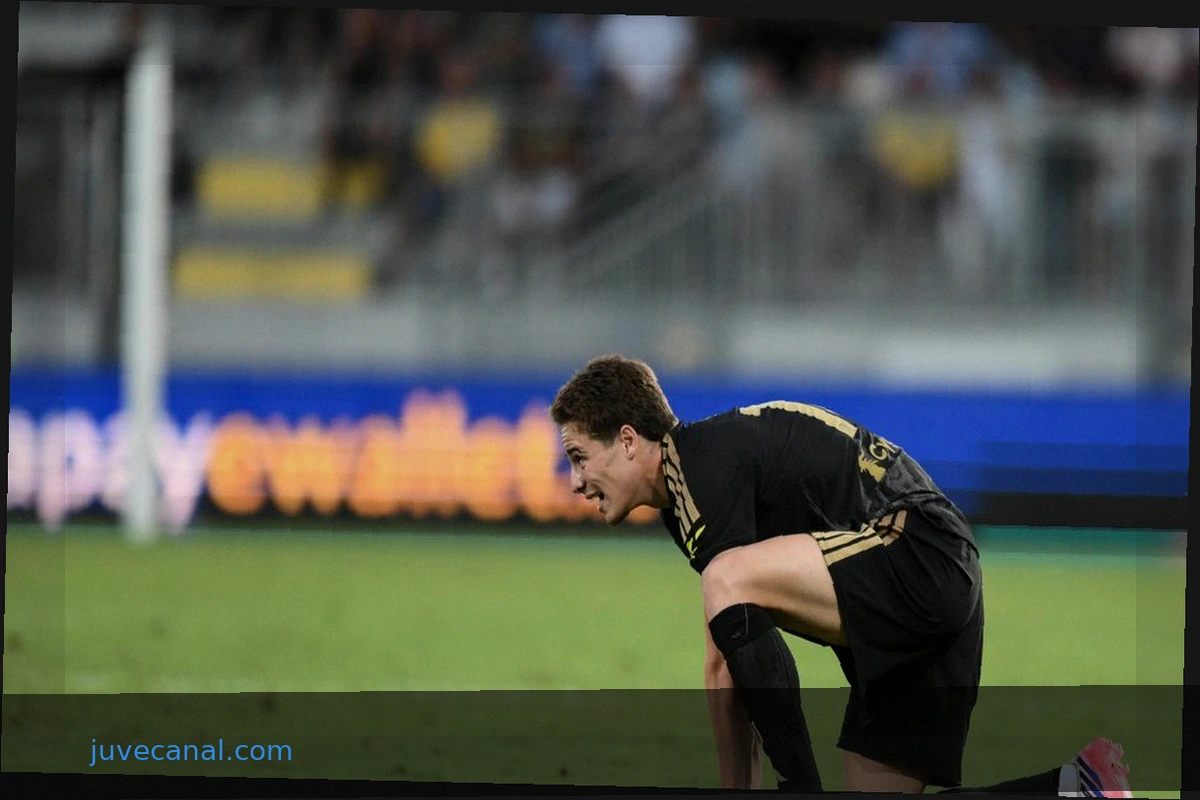
Yildiz's Future: Real Madrid, Arsenal, and Bayern Vie for Juventus Star
Kenan Yildiz continues to attract significant attention from Europe's top football clubs. Despite his long-term contract with Juventus and his key role in the team's plans, the young Turkish talent is closely watched by several continental giants. Real Madrid, Arsenal, and Bayern Munich are among
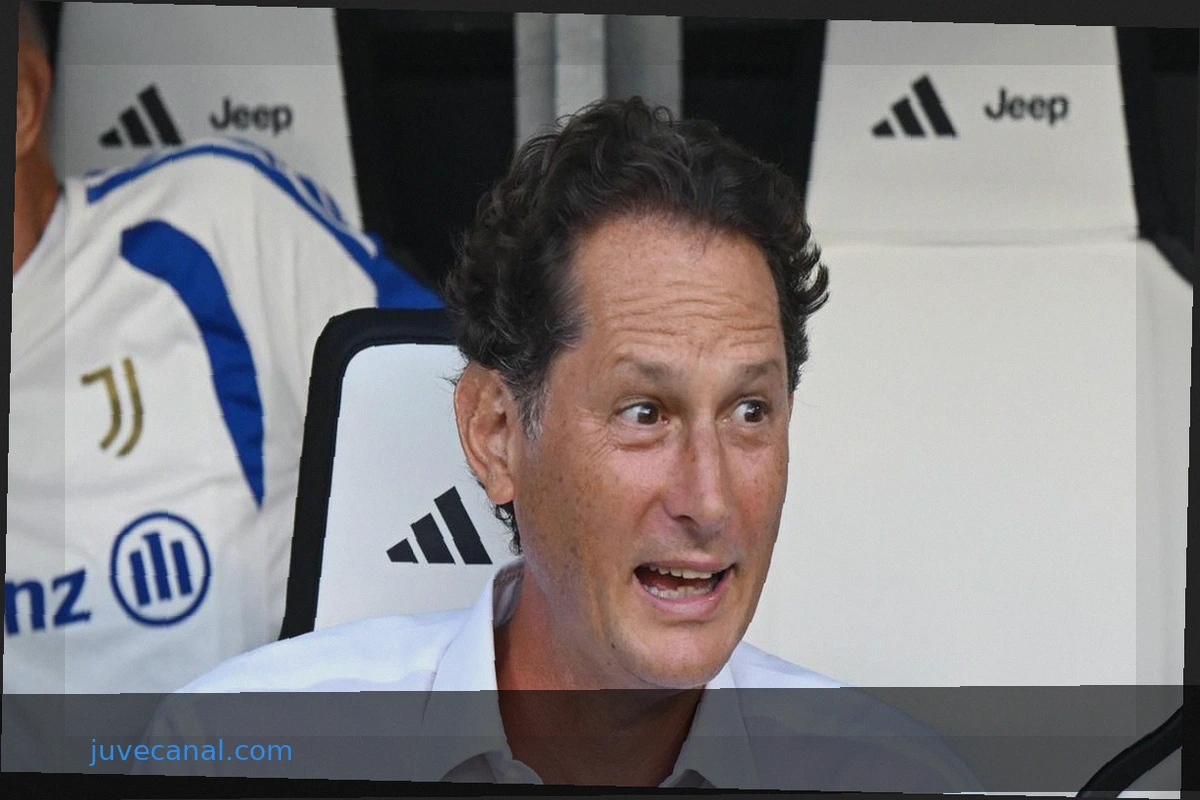
Ferrari's First Electric Car, "Luce," Unexpectedly Drew Strong Reactions
Ferrari President John Elkann shared insights into the development and public reception of "Luce," the marque's first all-electric vehicle. Speaking at Wave by Vento in Turin, as reported by ANSA, Elkann acknowledged that the car's debut generated unexpected responses.

Cagliari vs Juventus: Predicted Lineup & Key Battles
Juventus's predicted formation for Sunday's match against Cagliari is taking shape, with squad depth being tested by international returns and absences. Coach Luciano Spalletti is finalizing the Juventus lineup for the away game against Cagliari. The team faces challenges due
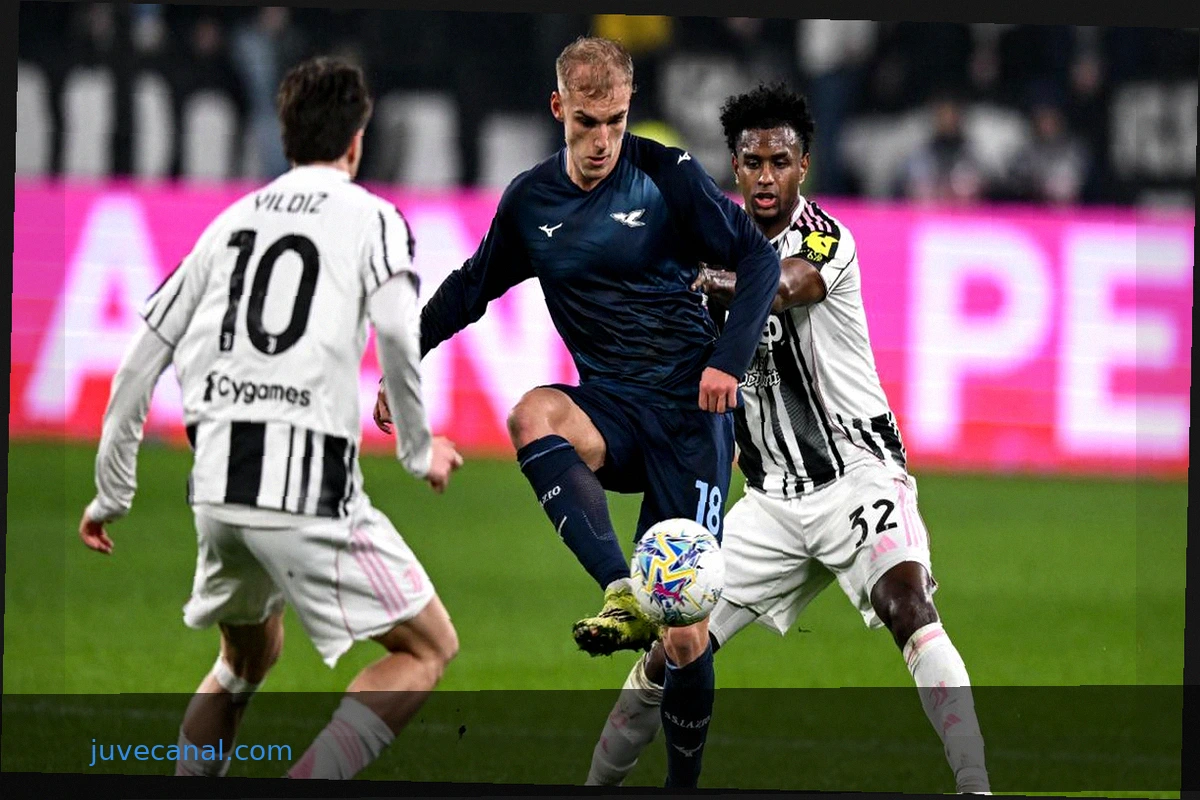
Cabal's Return Boosts Cagliari Match Hopes for Juventus
Juan Cabal might feature for Juventus in their upcoming match against Cagliari. The Colombian defender is accelerating his recovery, and coach Luciano Spalletti aims to include him in the squad. The final decision will be made just before the team travels to Sardinia. Juventus is working
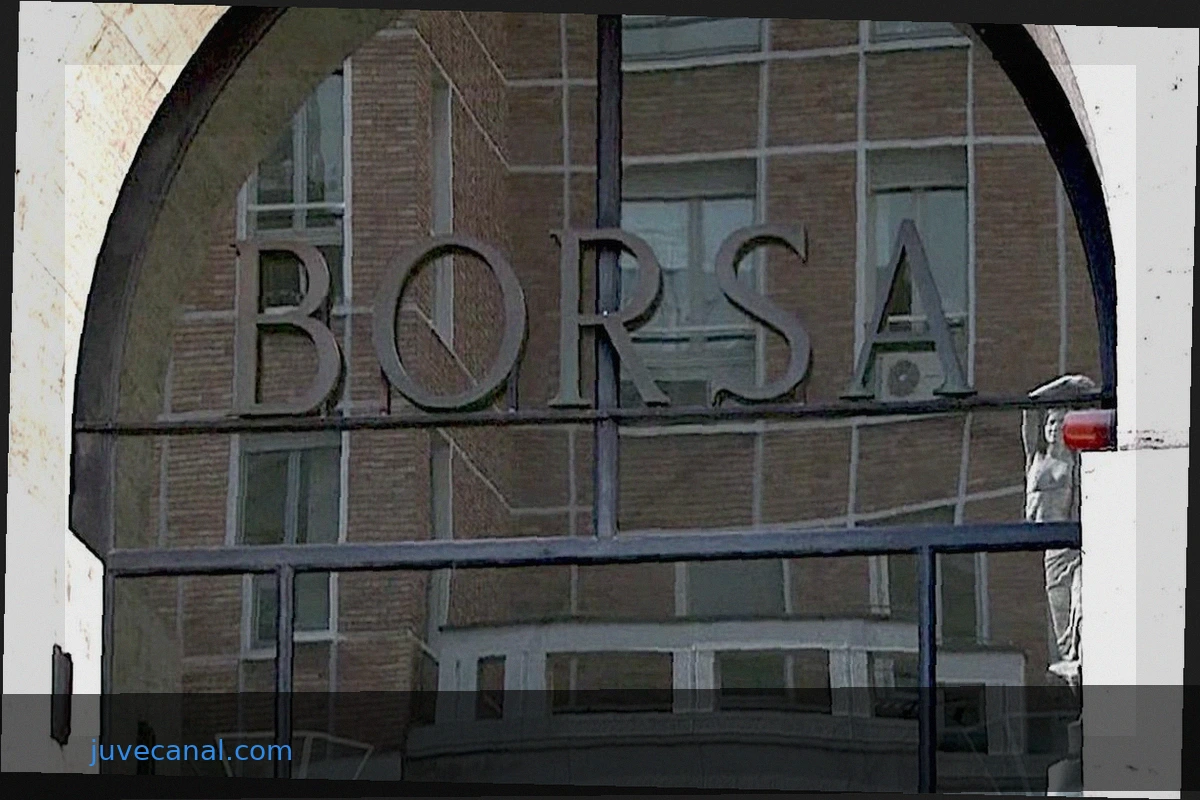
Milan Stock Exchange Sees Sharp Decline; Juventus Falls, Stellantis Rises
Milan's stock market finished significantly lower, recording the poorest performance among major European exchanges. Rising government bond yields and oil price tensions pressured trading. The Ftse Mib index dropped 2.51% to 49,972 points, falling below the 50,000 mark for the first time since Ju
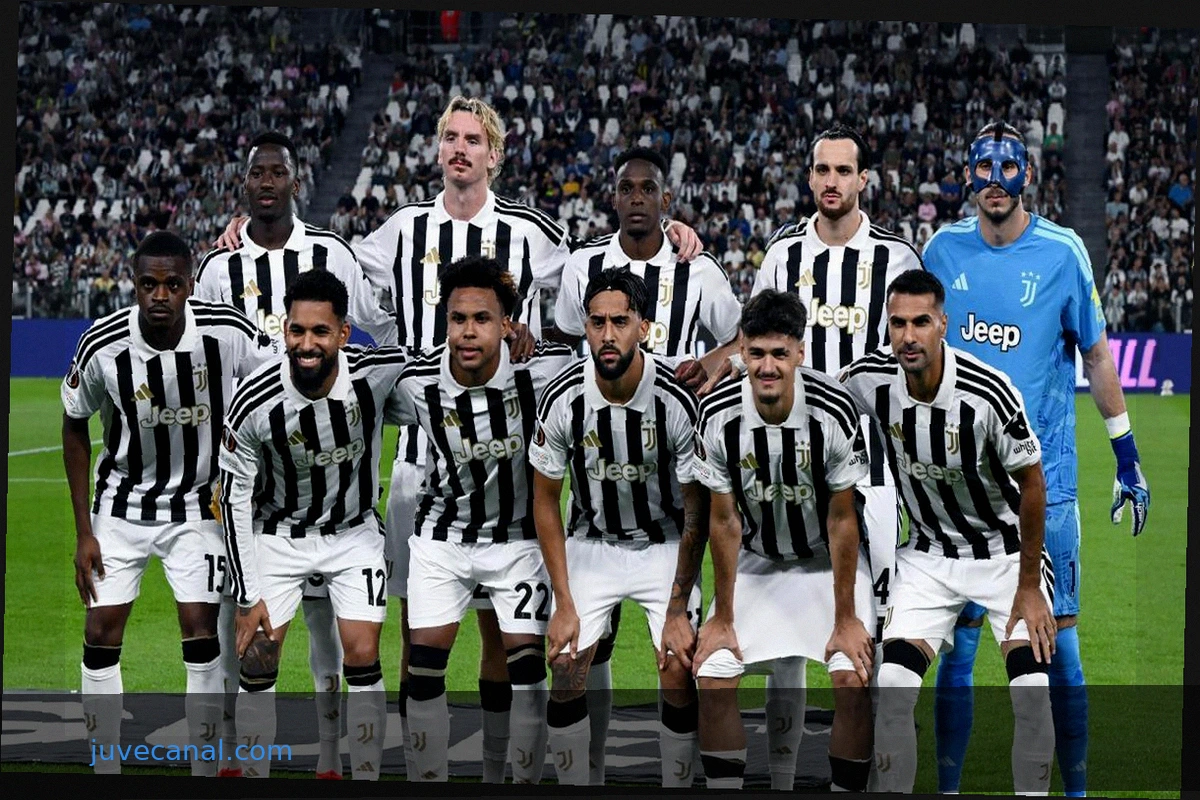
Juventus Leads Serie A in Wage Bill: €142 Million, Inter Four Million Behind. Cagliari's Masterclass with €30 Million
Juventus stands at the forefront of Serie A with the highest payroll. The Bianconeri club allocates €142 million annually for player salaries, according to reports from Quotidiano di Puglia. This figure places Juventus ahead of all its competitors in Italy's top football league. Trailing