Inter's Defensive Woes: A Persistent Challenge
A week after the break, it's time to process the intense first month: thrilling matches, a feeling of solidified strength, and the unexpected departure of Piero Ausilio, a topic for another time. The focus is on a team with clear potential, well-rehearsed game mechanics, and a performance that ignites when Inter senses danger.
Chivu's team thrives; they consistently turn matches in their favor by simply increasing intensity and pressure, regardless of the opponent. Diouf is offensively impressive, and Lautaro and Thuram make a significant difference. While some believed Pio was the true starter, Thuram's current level—his advances, dribbling, goal threat, and chemistry with Lautaro—is superior. This is no slight to Pio; Thuram is a champion, and Pio is becoming one in his own right.
However, it's rare for any team globally to concede two goals in four consecutive matches and come back to equalize three times out of four. It's as if the players, at the start of halves, like against Napoli, show no sensitivity to pain or danger, failing to grasp the game's emotional weight.
Across four games, players have taken turns committing concentration and positioning errors. From Martinez's indecisiveness with his feet, to Akanji appearing distracted, Stones looking slow, and Jones being too passive against Kone; from Zielinski’s lack of defensive positioning during transitions, to Diouf’s evident discomfort defending, as seen in the two goals conceded at the Olimpico where he simply watched crosses instead of covering.
Building from the back isn't a universal goalkeeper skill, yet Inter relies heavily on it. Martinez lacks the footwork and vision of Sommer. Even Onana, while excelling in this aspect, made glaring errors in judgment.
The overall impression is a widespread lack of concentration, something the players themselves may not fully realize. During matches, the team seems unaware of this general inattention. This is compounded by a midfield and attack that shield the play less than before, forcing the defense to confront opponents in open space.
If Inter had taken a two-goal lead against Napoli and Roma, they likely would have eased off, assuming control, and then conceded comebacks, a pattern seen in previous years. This tendency has shifted but cannot be entirely eliminated, as evidenced by the outcomes of numerous matches in recent seasons.
The issue is more pressing for the Champions League than for the league, where Inter remains the strongest.
Against higher-caliber opponents, even struggling ones like Real Madrid, such lapses are far more costly than in Italy. Distraction is lethal.
The urgency is clear because Inter is competing on multiple fronts and aims to win them all. Chivu understands the need for potentially radical solutions to maintain internal balance. This is currently the biggest challenge, and Spence might offer a tactical alternative.
Fresh materials — Italian Football
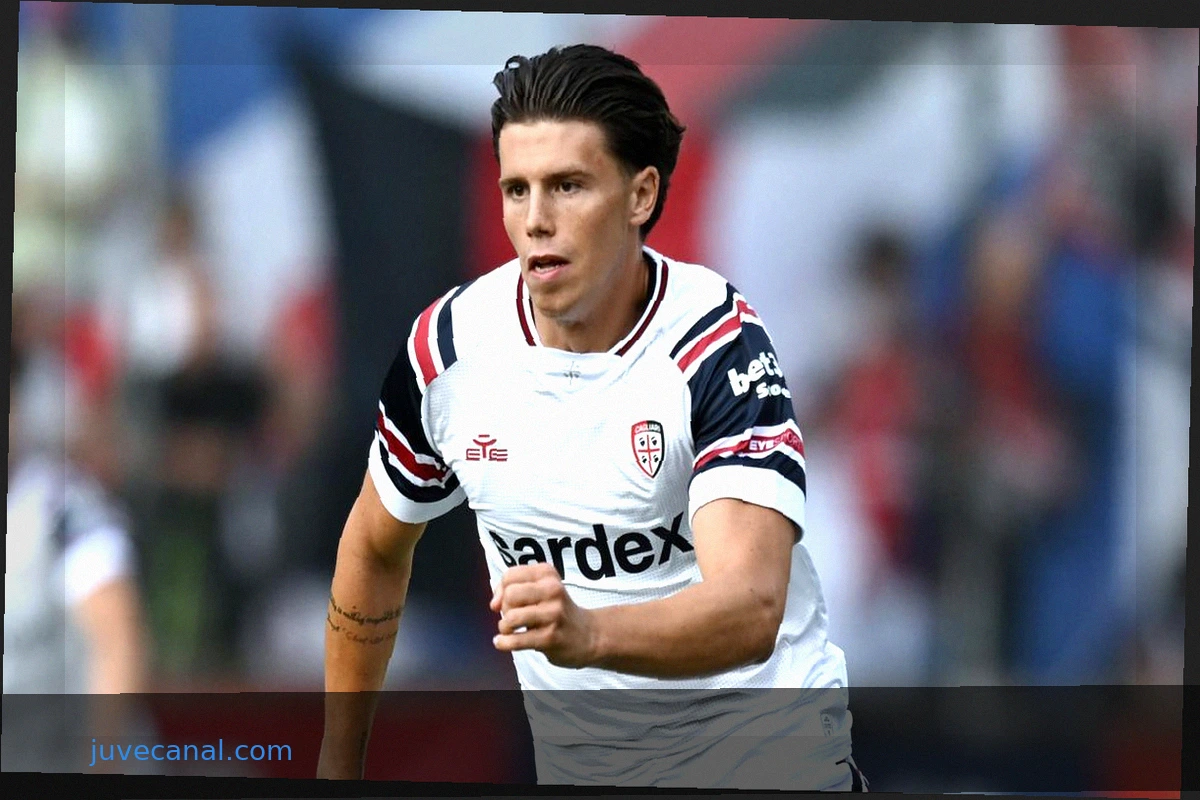
Inter's Strategy: Focusing on Italian Talents Chiesa and Romano for the Future
Inter is considering bringing Federico Chiesa back to Italy in the January transfer window. Chiesa, formerly of Juventus, has struggled to secure a consistent role at Liverpool. He possesses the attacking flair and unpredictability that could fill a gap in Inter's current squad. Another player In
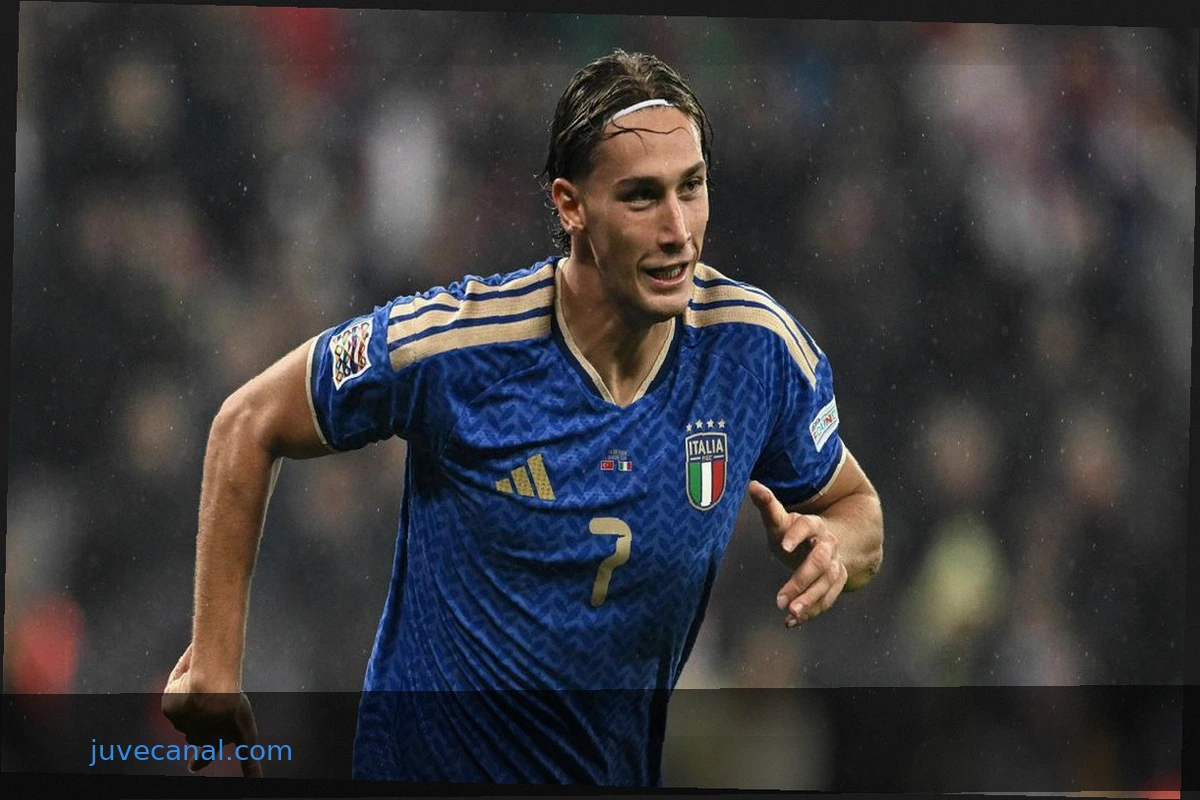
Pio Esposito: "We had fun today. We must always have this enthusiasm"
Pio Esposito, an attacker for the Italian national team, spoke to Rai Sport after the 4-1 win against Turkey. Esposito, an Inter Milan player, contributed a goal and an assist in the match. "First and foremost, I want to dedicate this goal to my grandmother, who is going through a difficult ti
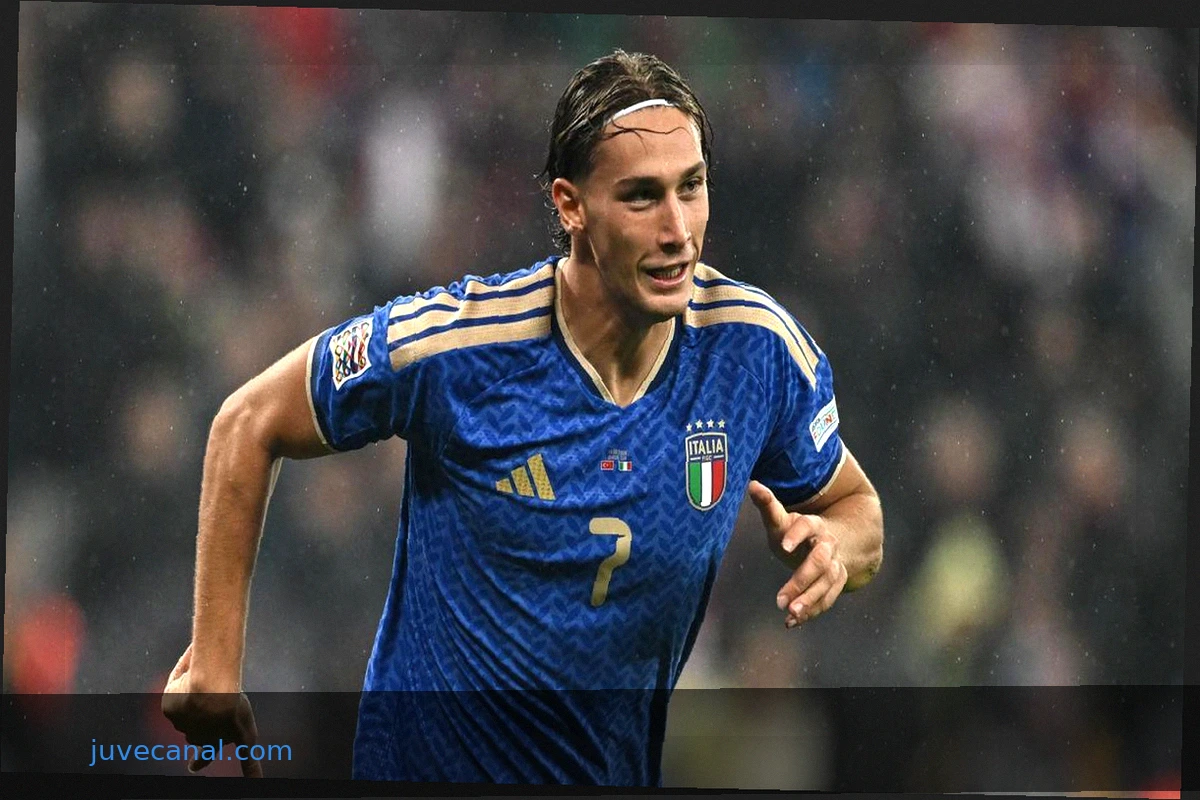
Pio Esposito: "We had fun today. We must always have this enthusiasm."
Pio Esposito, an Italy forward, spoke to Rai Sport after the team's 4-1 win against Turkey. Esposito, an Inter player, contributed a goal and an assist in the match. "First and foremost, I really want to dedicate this goal to my grandmother, who is going through a difficult time. I really want
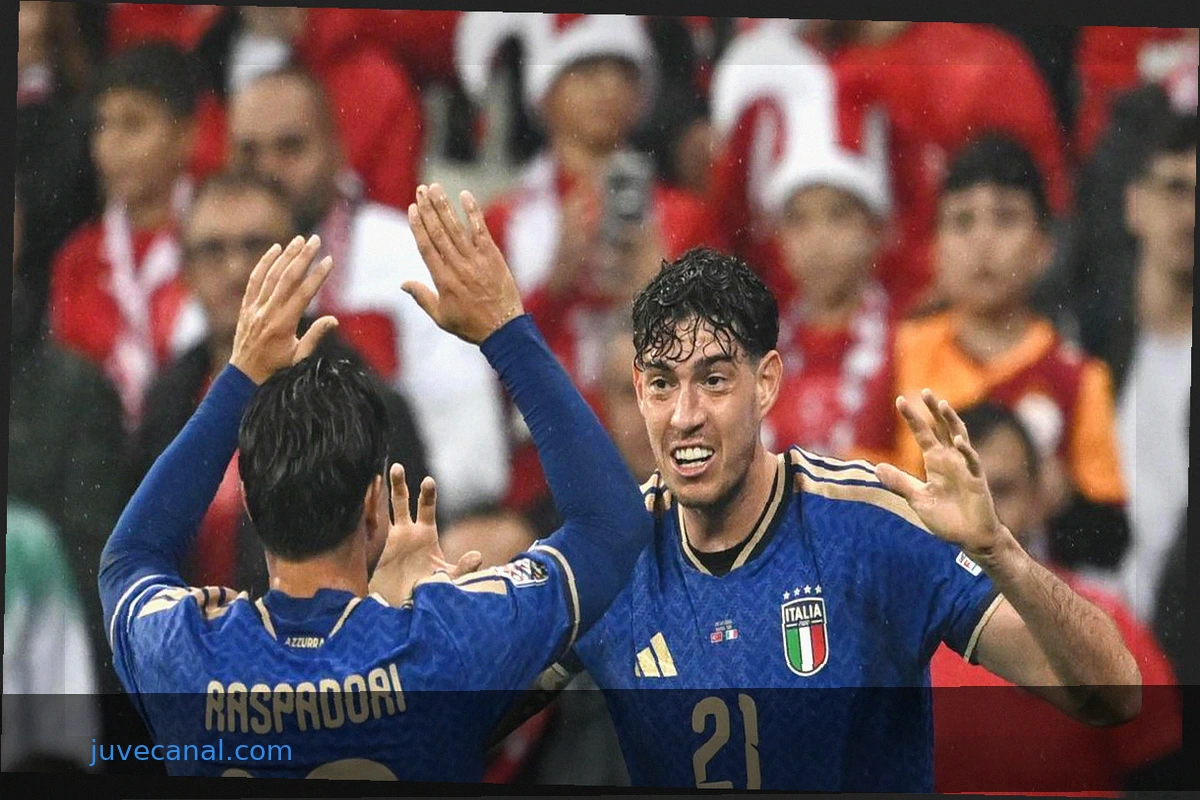
Bastoni: "Four Years of Debt to Italians, Aiming to Restore National Team's Status"
Alessandro Bastoni opened the scoring in Italy's 4-1 win against Turkey. The Inter and national team defender spoke after the match to Rai Sport. He said, "Every time I come here, I can't help but think of Zenica. I will be indebted to Italians for the next four years. We hope to recov
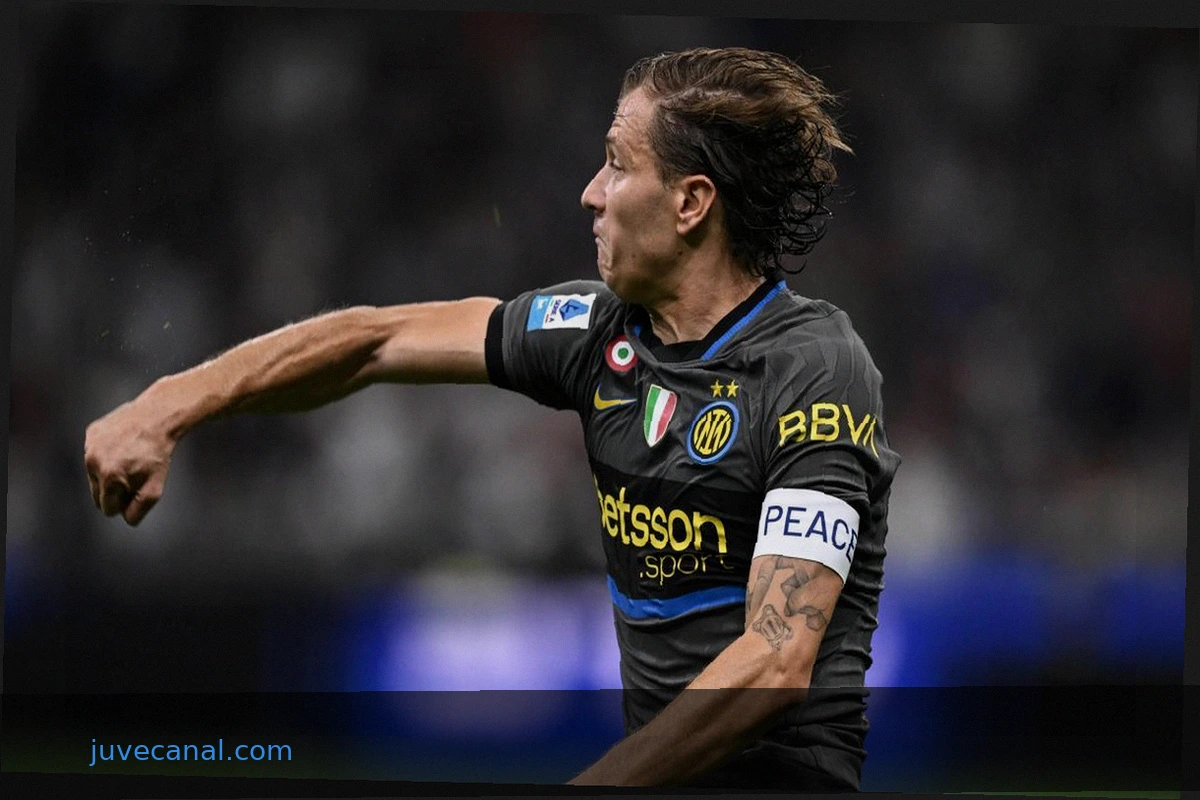
Barella stays home: Mancini leaves midfielder and ten others in Italy for Turkey match
Roberto Mancini made a surprising choice regarding the match against Turkey. The head coach decided not to call up ten of the 33 players in the squad for the trip to Bursa. They will stay at the Federal Technical Center in Coverciano to continue their preparation. Among those not trave
Inter's Real Need: Not Another Striker, but a Solid Defense
Transfer market discussions always ignite excitement, fueling fan hopes of seeing their favorite players in their team's colors. Attackers often steal the spotlight, captivating supporters. However, focusing solely on forwards can blind teams to more critical issues that hinder perfor